Introduction: A Defining Anniversary in Photojournalism In 2025, World Press Photo (WPP)—the most prestigious award in documentary photography—celebrates its 70th anniversary with a groundbreaking exhibition titled What Have We Done? Unpacking 7 Decades of World Press Photo. This milestone prompts not just reflection on its legacy but also critical questions: Has photojournalism caused harm through …
As World Press Photo Turns 70: Can Photojournalism Move Forward from a History of Harm?
Introduction: A Defining Anniversary in Photojournalism
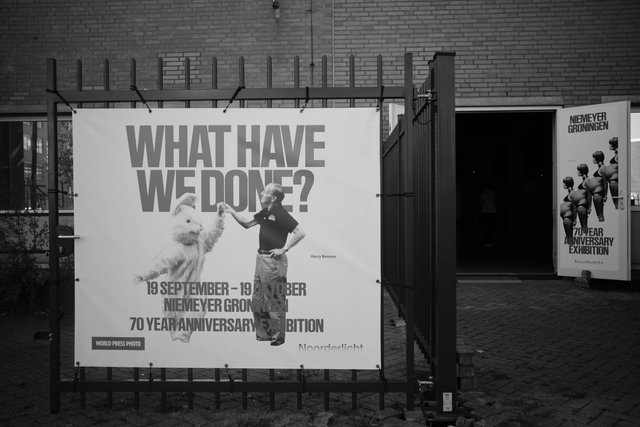
In 2025, World Press Photo (WPP)—the most prestigious award in documentary photography—celebrates its 70th anniversary with a groundbreaking exhibition titled What Have We Done? Unpacking 7 Decades of World Press Photo. This milestone prompts not just reflection on its legacy but also critical questions: Has photojournalism caused harm through the way it portrays suffering? And more importantly, how can it move forward into a more ethical, inclusive, and representative future?
The Legacy of World Press Photo
From Shocking Images to Global Awareness
Since its inception in 1955, World Press Photo has elevated powerful, often harrowing images to international recognition. From Don McCullin’s portrayal of grief in Cyprus to Steve McCurry’s haunting photos of ecological devastation in Kuwait, WPP has shaped how the world perceives war, displacement, and human suffering.
These images have mobilized empathy, sparked debates, and influenced policy, but they’ve also been criticized for commodifying trauma.
Iconic Photographs That Shaped Public Memory
- 1973: “Napalm Girl” by Nick Ut (later disputed) became a symbol of the Vietnam War.
- 1991: Steve McCurry’s oil field camels captured environmental destruction in Kuwait.
- 2024: Mohammed Salem’s Gaza portrait of a grieving woman stirred conversations on context versus artistry.
Ethical Dilemmas in Photojournalism
Who Gets to Tell the Story? Insider vs. Outsider Perspectives
The question of who documents suffering is central. Samar Abu Elouf’s 2025 winning image of Mahmoud Ajjour, a Palestinian boy injured in Gaza, offers a departure from the long history of Western male dominance. As someone from the same cultural context, Elouf built trust and intimacy with her subject—something outsiders often struggle to achieve.
The Problem of Stereotypes and Bias
Photojournalism has often perpetuated harmful stereotypes—depicting Africa as the “Dark Continent,” portraying women primarily as weeping mothers, or reducing conflict to binary narratives of “victim” and “aggressor.”
The “White Male Lens” and Structural Inequality
For decades, WPP was criticized for overwhelmingly awarding Western male photographers. This dominance shaped not just what stories were told but also how they were framed, often reinforcing Eurocentric worldviews.
Representation and Diversity at World Press Photo
Historical Underrepresentation of Global Voices
In 2020, WPP faced accusations of structural racism after a leadership reshuffle highlighted its all-white supervisory board. Calls for accountability pushed the organization to reflect on its inclusivity.
Steps Toward Change: Advisory Committees and Regional Awards
By 2021, WPP introduced an International Advisory Committee and a regional award system to better represent voices from the Global South.
The Numbers Behind Progress: Women and Non-Western Winners
In 2019, nearly 80% of winners were from Europe/North America and 90% were men. By 2024, those numbers dropped to 62% and 77% respectively—progress, though still uneven.
Controversies and Missteps in Recent Years
The “Napalm Girl” Authorship Debate
In 2025, WPP suspended attribution of the iconic Vietnam War image after disputes over authorship, raising questions about historical accuracy and recognition.
The Gaza and Ukraine Pairing Controversy
In 2025, the organization apologized for presenting two unrelated images—a traumatized Ukrainian child and a wounded Russian soldier—as a “pair,” sparking outrage about insensitive framing.
The Rise of AI in Photo Submissions
AI is blurring ethical lines. In 2025, WPP disqualified several entries for using AI tools to alter images. With AI-enhanced entries up 30%, the line between documentation and manipulation is increasingly thin.
The 2025 Anniversary Exhibition: What Have We Done?
Six Visual Patterns in the Archive
Curated by Cristina de Middel, the exhibition identifies recurring motifs across decades:
- Weeping Women and Men Rescuing
- Emotional Soldiers and Debris
- Being a Man and Being a Woman
- Black Skin and The Dark Continent
- Silhouettes and Shadows
- Fire and Smoke
Moving Away from “Iconicness”
Instead of celebrating “iconic” moments, the exhibition questions why certain images were elevated—and what narratives they perpetuated.
Voices Calling for Change
Tara Pixley on the Colonial Lineage of Photography
Pixley argues that photography has long been used to rationalize colonization and oppression. She emphasizes dismantling these structures and replacing them with ethical practices that respect subjects.
Critiques from the Global South
Indian photojournalist Chirag Wakaskar criticized WPP’s “white supremacist narrative,” echoing concerns that Western institutions profit from non-Western suffering.
The Push for an “Ethic of Care”
Pixley and others advocate for photojournalism rooted in empathy, collaboration, and shared agency—moving away from exploitation and towards representation.
Is the Award Still Valuable in Today’s World?
Recognition vs. Exploitation
For photographers risking their lives in Gaza, Ukraine, or Sudan, recognition and financial support are vital. But does awarding traumatic images turn suffering into spectacle?
The Role of Awards in Conflict Reporting
Executive director Joumana El Zein Khoury admits struggling with whether the awards are “decent.” Yet, she argues that in an age of censorship, WPP remains crucial for amplifying voices and exposing injustice.
The Future of Photojournalism: Moving Beyond Harm
New Models of Ethical Storytelling
- Collaborative storytelling with subjects
- Contextual narratives beyond the single frame
- Informed consent and participatory photography
Collaboration Between Photographers and Communities
Rather than parachuting into crises, photographers are encouraged to work alongside affected communities, allowing them agency in how stories are told.
A Global Conversation on Visual Ethics
The industry is shifting toward transparency, accountability, and dialogue—a necessary evolution for a field historically complicit in reinforcing power imbalances.
FAQs
Why has World Press Photo faced criticism over the years?
Critics argue that it has historically privileged Western male perspectives, perpetuated stereotypes, and commodified human suffering.
How has representation in the awards changed recently?
WPP has diversified through advisory committees and regional awards, with more women and non-Western photographers recognized than ever before.
What is the significance of the 2025 exhibition?
What Have We Done? critically examines seven decades of WPP’s archive, questioning not just what images were chosen, but why.
How is AI affecting photojournalism competitions?
AI tools blur the line between authenticity and manipulation, with WPP disqualifying entries that overused AI enhancements.
Why is an “ethic of care” important in photography?
It ensures that subjects are treated with dignity, agency, and respect, countering a long history of exploitation.
Is World Press Photo still relevant today?
Yes—despite its controversies, WPP remains a vital platform for global storytelling and ethical reflection in a media landscape dominated by misinformation.
Conclusion: A Path Forward for Ethical Photojournalism
As World Press Photo turns 70, its legacy is both inspiring and troubling. The award has undeniably shaped global consciousness but has also contributed to a history of harmful representations. The challenge now is to balance recognition with responsibility—centering ethics, diversity, and care.
Photojournalism’s future depends not just on the images we see but on how they are made, who makes them, and how we choose to interpret them. If WPP and the wider industry embrace this transformation, then photojournalism can truly move forward—from harm to healing, from exploitation to empathy.