On 15 October 2025, Christie’s London evening sale will feature three rare early paintings by Lucian Freud, spanning three decades of his career. With a combined estimate of £13 million to £20 million, the works illustrate Freud’s artistic evolution from youthful precision to mature expressiveness. The trio includes: All three works come from the same …
Christie’s to Sell Three Early Paintings by Lucian Freud for £20m
On 15 October 2025, Christie’s London evening sale will feature three rare early paintings by Lucian Freud, spanning three decades of his career. With a combined estimate of £13 million to £20 million, the works illustrate Freud’s artistic evolution from youthful precision to mature expressiveness.
The trio includes:
- Woman with a Tulip (1944, est. £3m–£5m)
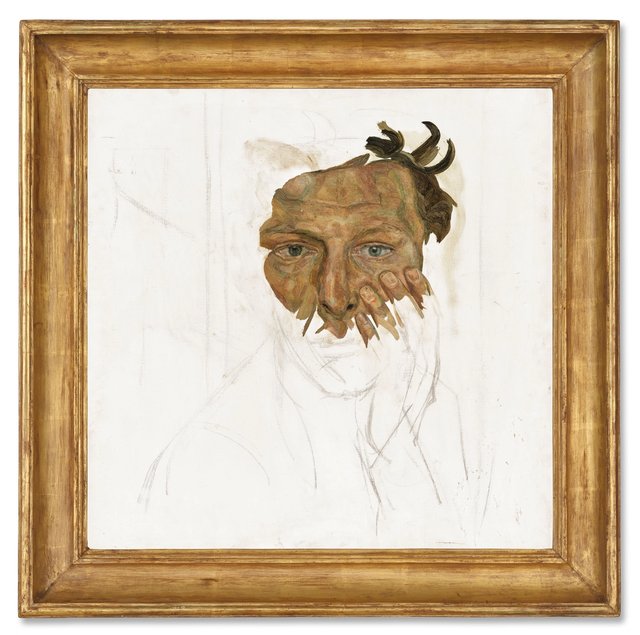
- Self-portrait Fragment (c.1956, est. £8m–£12m)
- Sleeping Head (1961–71, est. £2m–£3m)
All three works come from the same private collection, where they have remained for decades, and have been exhibited in prestigious shows across Europe and the U.S.
The Significance of Freud’s Early Works
Why Early Freud Paintings Are Rare
After the late 1950s, Freud shifted his technique dramatically, using thicker brushes and looser strokes. His early paintings, characterized by crystalline precision, exist in limited numbers—many now in public institutions, making privately held works extremely rare.
How His Style Evolved Across Decades
- 1940s: Precise, almost “icon-like” portraiture using sable brushes.
- 1950s: Transition to broader strokes and psychological intensity.
- 1960s–70s: Confident, expressive brushwork with freer composition.
This sale uniquely showcases that arc of transformation in Freud’s art.
Woman with a Tulip (1944): An Intimate Early Masterpiece
The Influence of Lorna Wishart
Depicting Lorna Wishart, Freud’s muse and first great love, Woman with a Tulip embodies the intimate intensity of his early career. Wishart, the glamorous Garman sister and aunt of Kitty Garman (Freud’s future wife), shaped his emotional and artistic development.
Icon-Like Precision and Symbolism
Painted with meticulous sable brushes, the work recalls iconography, evoking devotion and stillness. Exhibited in Freud’s first solo show at the Lefevre Gallery (1944), it foreshadowed celebrated works such as Girl with a Kitten (1947).
Self-portrait Fragment (c.1956): A Turning Point
Freud’s Transition in Technique
By the mid-1950s, Freud adopted hog’s hair brushes, producing bolder strokes. Self-portrait Fragment marks this stylistic shift, blending unfinished elements (non finito style) with penetrating self-examination.
The Influence of Francis Bacon
Freud’s close friendship with Francis Bacon encouraged him to loosen his technique. Their mutual influence is visible in this period, with Freud experimenting beyond precision toward painterly freedom.
Psychological Depth and Personal Upheaval
Created during the decline of Freud’s marriage to Caroline Blackwood, the self-portrait reflects introspection and emotional turbulence. Its gaze is turned inward rather than outward, emphasizing Freud’s private struggles.
Sleeping Head (1961–71): Confidence and Fluency
The Soho Encounter and Studio Setting
This painting depicts a young woman Freud met in a Soho bar, asleep on the battered Paddington studio sofa. First shown at Marlborough Gallery in 1963, it returned to auction only once, in 1971.
A Looser, More Expressive Freud
Painted after a trip to Greece, Sleeping Head reveals Freud’s newfound fluency. The brushstrokes are relaxed, layered, and sensual, signaling a transition into his mature style.
The Provenance and Exhibition History
Private Collection and Public Displays
Though privately owned for decades, these works have been shown in major exhibitions, including:
- Lucian Freud: Paintings (1987–88, Washington, Paris, London, Berlin)
- Freud’s retrospective at the Kunsthistorisches Museum, Vienna (2013)
- Lucian Freud: New Perspectives (2022–23, London & Madrid)
Previous Auction Records
Of the three, only Sleeping Head has appeared at auction before (Christie’s London, 1971). The others were acquired privately from Freud’s dealers, including James Kirkman.
The Market for Freud’s Paintings
Why Collectors Prize His Early Works
Early Freud paintings represent a short-lived chapter of his oeuvre, marked by painstaking detail and clarity before his shift toward expressive realism. Their rarity drives value.
Self-Portraits and Their Value
Collectors often covet self-portraits for their personal insight into an artist’s psyche. Self-portrait Fragment may therefore attract particular attention.
Global Demand Across Continents
Recent Freud sales have gone to North America, Asia, and Europe, reflecting his universal appeal. Christie’s expects similar international competition.
Christie’s London Sale: What to Expect
Auction Guarantees and Estimates
Christie’s has guaranteed the sale of all three paintings, ensuring they will sell. Combined estimates place the collection between £13m–£20m, though bidding could exceed expectations.
Positioning Freud Among Modern Masters
Specialists suggest buyers of early Freud could be the same collectors competing for a Picasso or Bacon—indicating Freud’s established place in the pantheon of 20th-century masters.
Frequently Asked Questions (FAQs)
1. Why are Lucian Freud’s early paintings so valuable?
They represent a short and rare phase of his career, many now housed in museums, making privately owned works scarce.
2. Who is depicted in Woman with a Tulip?
Lorna Wishart, Freud’s muse and early lover, a key figure in his emotional and artistic development.
3. How is Self-portrait Fragment different from his earlier works?
It reflects Freud’s stylistic shift in the 1950s, moving from meticulous detail to looser, more expressive brushwork.
4. Has Sleeping Head ever been sold at auction before?
Yes, it was auctioned at Christie’s London in 1971, making this only its second appearance on the market.
5. When will the Christie’s sale take place?
On 15 October 2025 at Christie’s London evening sale.
6. What is the combined estimated value of the three paintings?
Between £13 million and £20 million, guaranteed by Christie’s.
Conclusion: Freud’s Enduring Appeal
Christie’s upcoming auction offers collectors a rare glimpse into Lucian Freud’s artistic evolution, from youthful precision to expressive mastery. The three works—intimate, transitional, and bold—capture the essence of Freud’s development and underscore why his paintings command global demand.
This sale not only marks a milestone in the Freud market but also reaffirms his standing among the most important painters of the 20th century.