The international art community is reflecting on the life and work of German installation artist Henrike Naumann, whose unexpected passing has left curators, collectors, and fellow artists in deep shock. Known for her thought provoking spatial works and emotionally charged interiors, Naumann built a reputation for transforming ordinary domestic objects into powerful cultural statements. Throughout …
Henrike Naumann Remembered as a Bold Voice in Contemporary Installation Art

The international art community is reflecting on the life and work of German installation artist Henrike Naumann, whose unexpected passing has left curators, collectors, and fellow artists in deep shock. Known for her thought provoking spatial works and emotionally charged interiors, Naumann built a reputation for transforming ordinary domestic objects into powerful cultural statements.
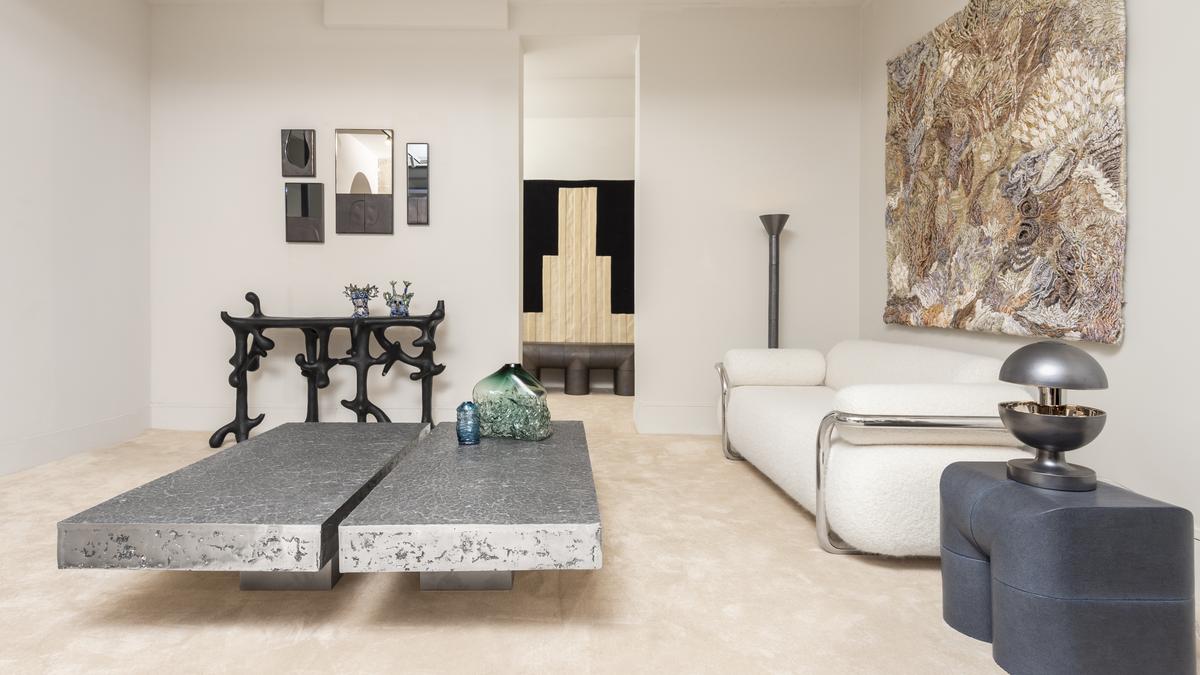
Throughout her career, Naumann developed a distinctive visual language that explored identity, social memory, and the psychological weight of living spaces. Sofas, cabinets, carpets, and familiar household items became her tools for storytelling. Rather than simply arranging objects, she reconstructed environments that invited viewers to examine the hidden narratives embedded within everyday life.
What made her work especially compelling was the sense of tension it carried. Her installations often felt simultaneously familiar and unsettling, creating a dialogue between comfort and discomfort. Audiences were drawn into rooms that looked lived in yet carried deeper symbolic meanings connected to history, politics, and collective memory.
Curators frequently praised Naumann’s ability to connect personal space with larger societal themes. Her projects examined cultural shifts, generational anxieties, and the way material culture reflects political realities. Visitors encountering her installations often described a sense of introspection, as though the rooms themselves were quietly asking questions.
Beyond galleries and exhibitions, Naumann’s influence extended into academic discussions and curatorial practice. Many emerging artists looked to her work as an example of how conceptual depth can coexist with visually striking presentation. Her pieces demonstrated that furniture and design elements could communicate ideas just as strongly as traditional mediums.
As tributes continue to emerge from across the art world, one sentiment remains consistent. Henrike Naumann was not only an artist of strong vision but also a creator who challenged audiences to reconsider the spaces they inhabit. Her legacy will continue through the conversations her work inspired and the emotional responses it evoked.