A new platform dedicated to collectible design made its debut at the 2026 edition of the India Design ID 2026 in New Delhi, reflecting the growing interest in design objects that blur the line between art and functionality. Called ID Salon, the curated showcase was held at Bikaner House, running parallel to the main design …
ID Salon Debuts as a New Platform for Design Collectibles in India
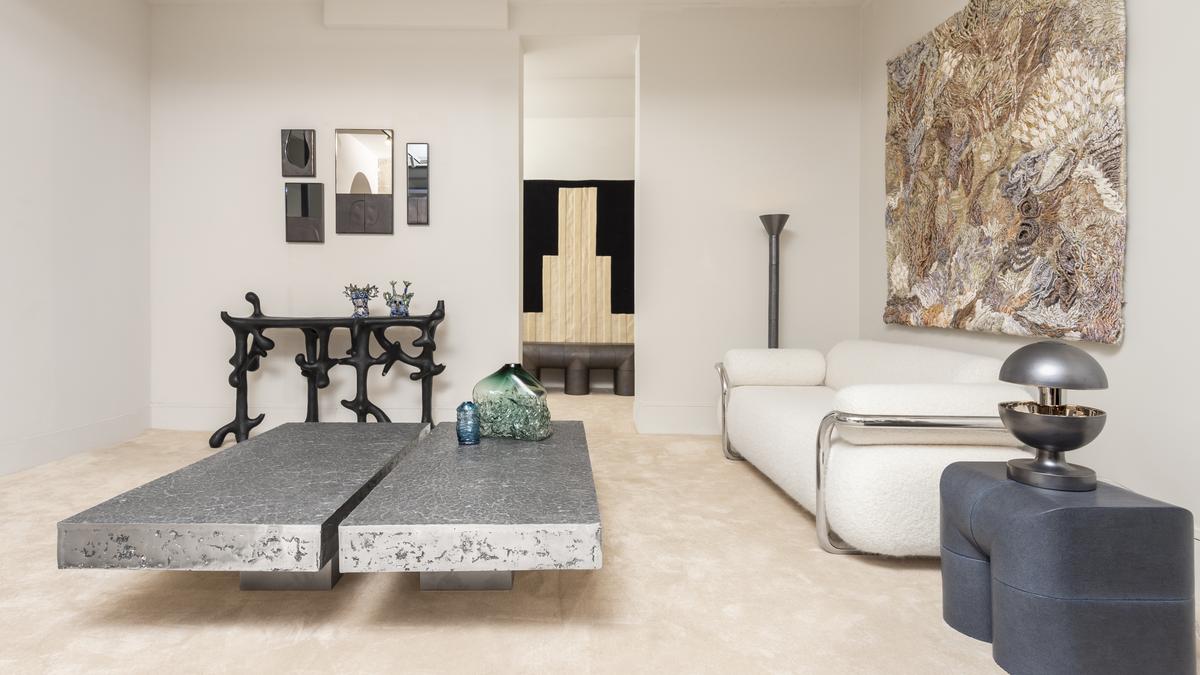
A new platform dedicated to collectible design made its debut at the 2026 edition of the India Design ID 2026 in New Delhi, reflecting the growing interest in design objects that blur the line between art and functionality.
Called ID Salon, the curated showcase was held at Bikaner House, running parallel to the main design fair at the NSIC Grounds in Okhla. The initiative brought together galleries and studios that focus on limited-edition design pieces—objects that are not just decorative but are meant to be collected, much like works of art.
Unlike large-scale design exhibitions that highlight furniture brands and interior products, ID Salon adopted a more intimate format. The platform emphasised curation and storytelling, presenting carefully selected works that explored material experimentation, craftsmanship and artistic expression. Many of the pieces on display demonstrated how contemporary designers are reinterpreting traditional materials and techniques in new ways.
The idea behind the Salon was to introduce Indian audiences to the concept of collectible design, a global trend where functional objects—such as chairs, lighting installations and sculptural furniture—are treated as artistic creations with cultural and investment value. Designers participating in the showcase used materials ranging from metal and stone to wood and textiles, often producing limited editions that highlight the individuality of each piece.
Several international and Indian galleries participated in the platform, including Æquo Gallery, Galerie Scene Ouverte, Alexis de Ducla International, and Shakti Design Residency. Their exhibits ranged from handcrafted objects rooted in traditional craft practices to experimental designs shaped by contemporary aesthetics.
Curated under the vision of design fair director Misha Bains, the Salon emphasised a slower and more thoughtful approach to design. Instead of focusing on mass production, the platform highlighted the value of authorship, craftsmanship and cultural narratives embedded within each object.
The introduction of ID Salon also reflected a broader shift in the design world. Collectors and enthusiasts are increasingly interested in owning pieces that combine artistic originality with functional design. This trend has opened up new opportunities for designers, allowing them to experiment with form and material while creating works that hold long-term value.
As India Design ID continues to evolve as one of the country’s largest design events, the debut of ID Salon signals a growing recognition of collectible design in India. By bringing together galleries, designers and collectors in a focused setting, the initiative aims to position design objects not just as décor but as cultural artefacts worth collecting and preserving.