Introduction: A Controversial Exhibition in a Time of War An exhibition at the Tel Aviv Museum of Art has become the center of political and ethical controversy. More than 50 artists and cultural figures, many based in Israel, have signed a letter calling on Judy Chicago, the pioneering feminist artist, and Nadya Tolokonnikova, a founding …
Letter Urges Judy Chicago and Pussy Riot’s Nadya Tolokonnikova to Cancel Tel Aviv Exhibition Amid Gaza War
Introduction: A Controversial Exhibition in a Time of War
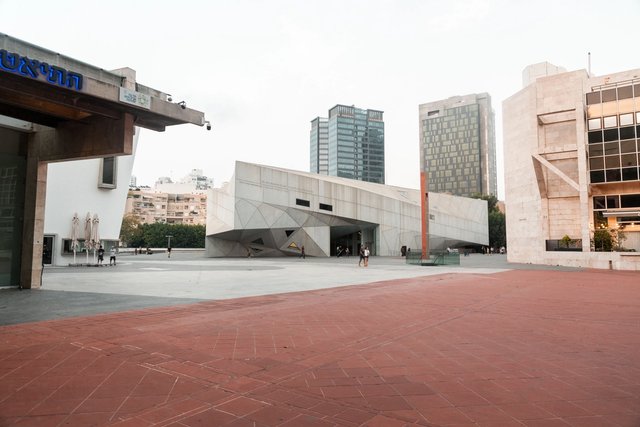
An exhibition at the Tel Aviv Museum of Art has become the center of political and ethical controversy. More than 50 artists and cultural figures, many based in Israel, have signed a letter calling on Judy Chicago, the pioneering feminist artist, and Nadya Tolokonnikova, a founding member of Pussy Riot, to cancel their show. The demand comes amid accusations that Israel is committing genocide in Gaza, with critics warning that hosting such an exhibition risks “artwashing” the war.
Background: What If Women Ruled the World?
The Collaborative Digital Quilt Project
The exhibition centers on a participatory digital quilt that poses the question: What if women ruled the world? It was conceived as a collaborative work combining intergenerational feminist voices, weaving together themes of empathy, care, and justice.
Themes of Feminism and Global Activism
The museum frames the project as a dialogue between Chicago’s 1970s feminist practice and Tolokonnikova’s activism against authoritarian regimes. Together, the work is presented as a vision of feminism as a plural, evolving conversation.
The Letter from Artists and Cultural Figures
Over 50 Signatories Demand Accountability
Artists including painter Elena Chermoshniuk, musician Michal Sapir, and educator Rachel Hagigi signed the open letter, urging Chicago and Tolokonnikova to withdraw from the exhibition.
Key Arguments Against the Exhibition
The signatories argue that participating in an Israeli institution amid the ongoing war amounts to complicity. They accuse the artists of lending credibility to a state accused of systematic violence and cultural erasure.
Accusations of “Artwashing Genocide”
The letter describes the exhibition as a form of cultural normalization:
“Cooperation with an Israeli establishment by international artists projects a false sense of normalcy—effectively turning a blind eye to the genocide Israel has been perpetrating in Gaza for almost two years.”
Responses from the Artists Involved
Nadya Tolokonnikova’s Clarification
Tolokonnikova, known globally for her protest art and activism, clarified that she co-initiated the project but is not involved in its current iteration or in decisions about where it is displayed.
Judy Chicago’s Silence
Chicago, celebrated for her groundbreaking installation The Dinner Party (1974–79), has not publicly commented on the controversy.
The Tel Aviv Museum of Art’s Position
Statement on Dialogue and Empathy
A museum spokesperson emphasized that the work should not be read as political endorsement. Instead, the exhibition is framed as a call for dialogue about empathy, collaboration, and shared responsibility.
Rejection of Cultural Boycotts
Museum director Tania Coen-Uzzielli argued that canceling exhibitions is ineffective:
“This cultural boycott will not stop the war, nor will it alleviate the profound suffering in Gaza. What it will do is silence artists, annihilate critique, and play into the hands of those who seek to control culture.”
Feminism and the Gaza War
UN Women’s Report on Women and Girls Killed
According to a UN Women analysis (May 2025), more than 28,000 women and girls have been killed in Gaza since October 2023. Critics argue that presenting a feminist exhibition in Tel Aviv without acknowledging these deaths is deeply contradictory.
Accusations of Hypocrisy in Feminist Art
The letter accuses the artists of hypocrisy, suggesting that feminist rhetoric cannot be separated from the violence disproportionately affecting women in Gaza.
Broader Context: Cultural Boycotts in Times of Conflict
Historical Precedents in the Arts
Cultural boycotts have long been used as political tools, from the anti-apartheid movement in South Africa to campaigns against Russian state-sponsored art following the invasion of Ukraine.
Effectiveness of Boycotts vs. Engagement
Debates persist: do boycotts challenge oppressive regimes, or do they silence dialogue and artistic freedom? This exhibition revives those questions in the Middle East context.
Voices of the Signatories
Artists Speaking from Within Israel
Some Israeli-based signatories, like musician Michal Sapir, argue that international artists participating in Israeli institutions only help normalize violence:
“The least we as artists can do is voice a clear objection to what is going on, and not help Israel normalise its actions by projecting a false liberal façade.”
Global Solidarity and Diaspora Perspectives
Other signatories outside Israel frame the letter as part of a broader global movement holding cultural institutions accountable during times of war.
Institutional Partnerships and Criticism
Role of the Nassima Landau Foundation and DMINTI
The exhibition is presented in partnership with the Nassima Landau Foundation and the art-tech company DMINTI. While the museum stresses that the work is on loan and not curated by Chicago or Tolokonnikova directly, critics argue the artists’ names still lend legitimacy.
Questions of Museum Neutrality
Though the museum insists the exhibition does not represent political endorsement, many argue that cultural programming in conflict zones is inevitably political.
FAQs
What is What If Women Ruled the World? about?
It’s a collaborative digital quilt exploring feminist perspectives across generations, initially co-launched by Judy Chicago and Nadya Tolokonnikova.
Why are artists calling for the exhibition to be canceled?
They argue it provides a false sense of normalcy and legitimizes Israel’s actions in Gaza, amounting to “artwashing.”
How has the museum defended its decision?
The Tel Aviv Museum of Art rejects cultural boycotts, saying cancellations silence critique and fail to address the suffering in Gaza.
Is Nadya Tolokonnikova still involved in the project?
No, Tolokonnikova clarified she is not currently engaged in decision-making around the project or its exhibitions.
What role does cultural boycott play in political conflicts?
Boycotts can pressure institutions and governments, but critics argue they also risk silencing artistic voices.
How does this controversy affect the global art community?
It highlights tensions between artistic freedom, ethical responsibility, and complicity during times of political crisis.
Conclusion: Art, Ethics, and the Politics of Exhibition
The controversy around Judy Chicago and Nadya Tolokonnikova’s Tel Aviv exhibition underscores the deep entanglement of art and politics in times of war. While the museum insists on dialogue and refuses cultural boycotts, artists and activists demand accountability, warning against complicity in “artwashing genocide.”
As Gaza continues to suffer devastating losses, the debate over whether to engage or boycott remains unresolved. What is clear is that art cannot exist in isolation from political realities—and each exhibition, by presence or absence, becomes a statement in itself.