Introduction: A Strategic Move into Milan On 20 September 2025, Austrian gallerist Thaddaeus Ropac opened his new gallery in Milan, signaling a strong bet on the city’s rising profile as a global art hub. The timing could hardly be better. Just two weeks before the opening, Italy introduced a reduced 5% VAT on art sales …
Introduction: A Strategic Move into Milan
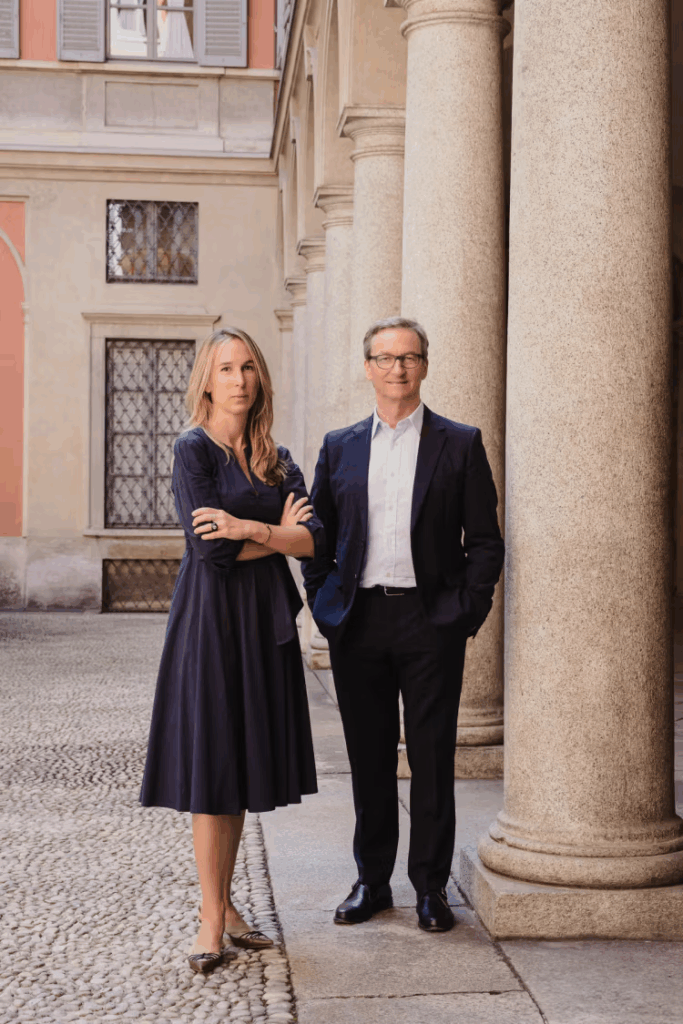
On 20 September 2025, Austrian gallerist Thaddaeus Ropac opened his new gallery in Milan, signaling a strong bet on the city’s rising profile as a global art hub. The timing could hardly be better. Just two weeks before the opening, Italy introduced a reduced 5% VAT on art sales and imports, the lowest in the European Union. Combined with a migration of wealthy individuals from London to Milan due to the UK’s recent tax reforms, the move sets the stage for a flourishing new chapter in Italy’s art market.
For Ropac, whose career has been marked by bold and often unconventional expansions, Milan represents both a challenge and an opportunity: to attract global collectors while also cultivating a sophisticated local base.
Thaddaeus Ropac’s Track Record of Bold Openings
From Paris to Seoul: Following His Gut
Ropac has built his reputation not just on the artists he represents but also on his instinct for identifying new art world epicenters. In 2021, he opened a gallery in Seoul—despite peers suggesting Hong Kong was the safer bet. Today, Seoul is home to Frieze and mega galleries like Pace and White Cube, validating his foresight.
How Pantin Became a Contemporary Hub
Similarly, when Ropac opened his vast gallery in Pantin on the outskirts of Paris in 2012, the decision puzzled many. But over time, Pantin transformed from a quiet banlieue into a thriving creative hub, now integral to Greater Paris’s art identity.
Why Milan, Why Now?
The 5% VAT Advantage
The newly implemented 5% VAT rate on art sales and imports is a game-changer. Collectors now face significantly lower costs, making Italy one of the most favorable markets in Europe for purchasing art.
The UK Non-Dom Exodus and Milan’s Gain
The UK government’s decision to abolish non-dom tax status has pushed many wealthy residents to relocate. Milan, with its generous expat tax schemes, is attracting a wave of new millionaires, many of whom are likely to participate in the city’s growing art scene.
Inside the New Milan Gallery
Palazzo Belgioioso: A Historic Home for Contemporary Art
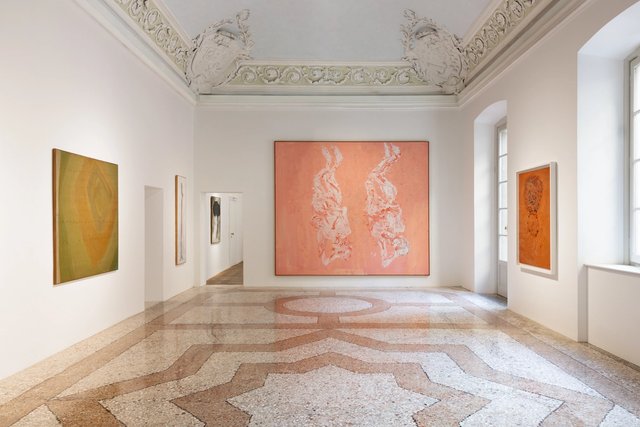
The new gallery is housed in the Palazzo Belgioioso, one of Milan’s most elegant neoclassical palaces. Its refined setting contrasts with the cutting-edge art it presents, creating a dialogue between history and innovation.
Opening Exhibition: Baselitz Meets Fontana
For the inaugural exhibition, Ropac paired works by Georg Baselitz and Lucio Fontana, bridging two generations of European masters. This curatorial choice reflects both the gallery’s ambition and Milan’s deep-rooted relationship with avant-garde art.
© Ludovico Arcero / Thaddaeus Ropac
Milan’s Collector Base
From Prada to Provera: High-Profile Collectors
Milan boasts some of Europe’s most influential collectors. Figures like Miuccia Prada, Luigi Rovati, and Marco Tronchetti Provera have established private museums, strengthening Milan’s cultural infrastructure.
The Role of Arte Povera and Minimalism
Movements like Arte Povera and Minimal art have shaped Milan’s collector taste, producing an audience that values intellectual depth and sophistication. Giants like Giuseppe Panza di Biumo left a lasting influence on Minimalist collecting in Europe.
Private Collectors Flying Under the Radar
Ropac estimates around 20 high-level collectors operate between Milan and Turin, many tied to the fashion industry. Their discreet presence suggests a deeper, more resilient market than statistics alone reveal.
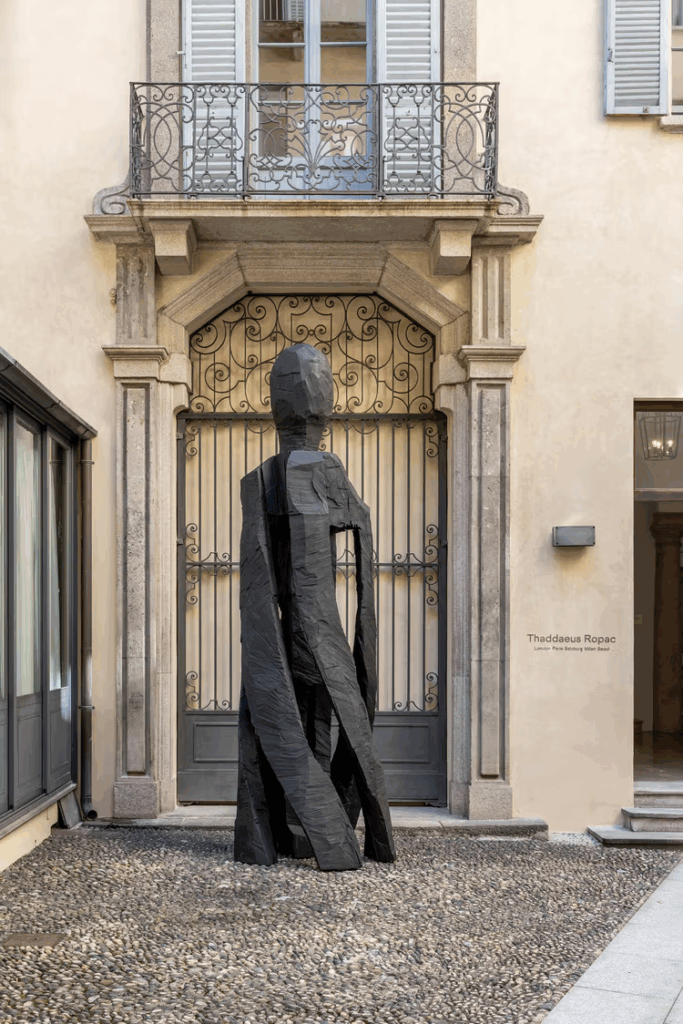
© Thaddaeus Ropac
Local Perspectives on Milan’s Art Scene
Laura Colnaghi Calissoni on Shifting Tastes
Collector Laura Colnaghi Calissoni, CEO of textile group Carvico, notes that while many peers still prefer older art, the reduced VAT is opening opportunities for modern and contemporary works. She herself has expanded her collection to include Elmgreen & Dragset, Paola Pivi, Yan Pei-Ming, and Mike Lee.
The Challenges of Italy’s Strict Export Rules
One persistent challenge is Italy’s restrictive export law. Works over 70 years old require ministry approval to leave the country. Collectors like Calissoni argue that liberalizing these rules could boost Italy’s international visibility and strengthen its role in the global art trade.
International Perspectives
Milan as a New Art Corridor from London
Collectors like Sigrid Kirk highlight Milan’s growing role as a bridge between London and Italy. With overlapping networks in fashion, design, and art, Milan is well-placed to capture both displaced UK collectors and new international buyers.
Fashion, Design, and Art: Cross-Industry Influence
Milan’s thriving fashion industry and design sector enrich its art market. This cultural cross-pollination creates unique opportunities for galleries like Ropac’s to engage audiences across industries.
The Future of Thaddaeus Ropac Milan
Building a Local Audience
While Ropac has a loyal global collector base, his Milan expansion aims to nurture local audiences through tailored exhibitions and collaborations.
Expanding the Contemporary Market
With lower taxes and renewed energy in Italy’s art world, there is significant room for growth in modern and contemporary collecting, particularly among younger buyers.
Potential Policy Changes to Boost Growth
If Italy revises its export restrictions, it could unleash a new wave of international engagement, allowing Italian art to circulate more freely while boosting the country’s reputation abroad.
FAQs on Thaddaeus Ropac Milan
1. When did Thaddaeus Ropac open his Milan gallery?
The gallery opened on 20 September 2025.
2. Where is the gallery located?
It is located in the historic Palazzo Belgioioso in central Milan.
3. What was the inaugural exhibition?
The opening exhibition paired Georg Baselitz with Lucio Fontana.
4. Why did Ropac choose Milan now?
Key reasons include Italy’s new 5% VAT on art, the influx of wealthy collectors from London, and Milan’s established yet evolving collector base.
5. Who are some major collectors in Milan?
Notable collectors include Miuccia Prada, Luigi Rovati, Marco Tronchetti Provera, and others linked to fashion and industry.
6. What challenges does the Italian art market face?
Strict export rules for works over 70 years old and a historically restricted market remain challenges, though reforms are being discussed.
Conclusion: Will Ropac’s Bet on Milan Pay Off?
Thaddaeus Ropac Milan arrives at a pivotal moment. With favorable tax reforms, an influx of wealthy expats, and a sophisticated local collector base, the city is poised to become one of Europe’s most dynamic art markets. Ropac’s instinct-driven strategy has paid off in Seoul and Paris—will Milan be next? All signs point to yes.