Sydney Contemporary 2025: Why Sales Declined Despite Record Attendance Meta Description: Sydney Contemporary 2025 recorded its fourth consecutive year of declining sales despite record-breaking attendance. Explore the reasons behind this trend, highlights of the fair, and what’s next for Australia’s leading contemporary art event. Introduction to Sydney Contemporary 2025 Sydney Contemporary 2025, Australia’s largest international …
Sydney Contemporary 2025: Why Sales Declined Despite Record Attendance
Sydney Contemporary 2025: Why Sales Declined Despite Record Attendance
Meta Description: Sydney Contemporary 2025 recorded its fourth consecutive year of declining sales despite record-breaking attendance. Explore the reasons behind this trend, highlights of the fair, and what’s next for Australia’s leading contemporary art event.
Introduction to Sydney Contemporary 2025
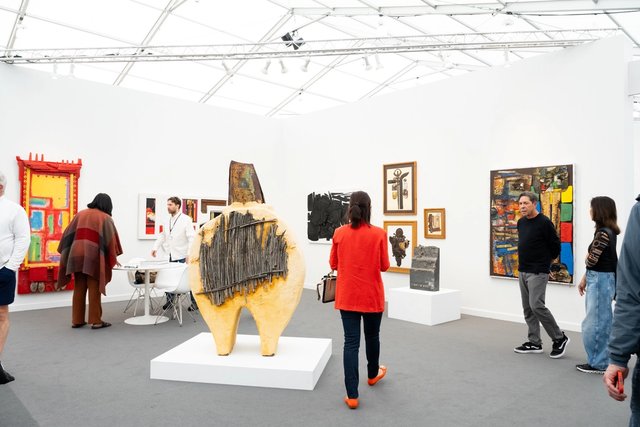
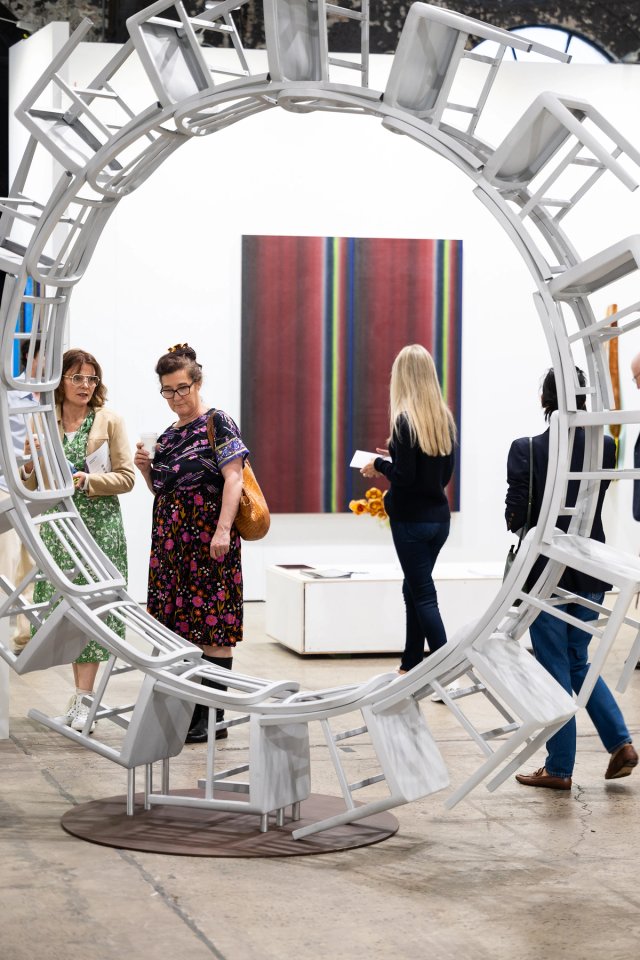
Sydney Contemporary 2025, Australia’s largest international art fair, made headlines this September—not only for being the biggest edition in its history but also for marking its fourth consecutive year of declining sales. The event, held at Sydney’s iconic Carriageworks from 11–14 September, showcased nearly 500 artists and 116 galleries, drawing in record visitor numbers of 26,440 people.
Yet, despite the buzz and packed crowds, total sales fell to A$16 million (US$10.5m)—a drop from A$17.5m in 2024, A$21m in 2023, and A$23m in 2022. This paradox of rising attendance but falling sales has raised questions about the state of the art market in Australia and the shifting dynamics of collectors, galleries, and buyers.
A Brief History of Sydney Contemporary
From Humble Beginnings to Australia’s Leading Art Fair
Founded by Tim Etchells, Sydney Contemporary was launched to put Australian and Asia-Pacific contemporary art firmly on the global stage. Over the past decade, it has grown into the country’s most prestigious art marketplace, attracting international galleries, collectors, and institutions.
The Impact of Covid-19 on the Fair
Like many global art events, Sydney Contemporary faced major disruptions during the Covid-19 pandemic. The fair was forced online in 2020 and 2021, impacting its sales and momentum. However, its return to physical format in 2022 marked a strong comeback, with record participation and international attention.
Sydney Contemporary 2025 at a Glance
Dates, Venue, and Scale of the Fair
- Dates: 11–14 September 2025
- Venue: Carriageworks, Sydney
- Exhibitors: 116 galleries
- Artists Represented: Nearly 500
Number of Exhibitors and Artists Featured
The fair welcomed both established institutions and new-generation galleries, offering a mix of traditional and experimental art.
Visitor Numbers and Audience Engagement
This year’s edition drew 26,440 attendees, the largest audience in its history. While not all visitors were buyers, many engaged in curated talks, live performances, and special exhibitions.
Sales Performance in 2025
Comparison with Previous Years
- 2022: A$23m
- 2023: A$21m
- 2024: A$17.5m
- 2025: A$16m
This steady decline highlights a challenging market climate despite the fair’s continued growth in scale and audience.
High-Value Works and Key Sales
The most talked-about piece was a A$1.5m painting by Emily Kam Kngwarray, showcased by Utopia Art Sydney. However, at the time of reporting, it was still under consideration by a collector, highlighting slower buying decisions.
The Shift Towards Post-Fair Transactions
Founder Tim Etchells emphasized that many deals are now being finalized after fairs close, meaning sales figures may not capture the full picture. This delayed buying trend reflects a more cautious and considered collector base.
Factors Behind the Decline in Sales
Market Cautiousness and Economic Uncertainty
Global economic uncertainty, fluctuating interest rates, and a more hesitant buyer base have influenced art spending. Collectors are adopting a “wait and see” approach, slowing down impulse purchases.
Shifts in Buyer Demographics
Younger collectors are entering the scene, often preferring to take their time in deciding on big-ticket purchases. Their tastes also lean toward newer, experimental forms such as digital and photographic art.
The Two-Speed Art Market in Australia
As gallery director Michael Reid noted, decorative art boomed during Covid but has since declined. Today’s market favors more sophisticated, concept-driven works, benefiting established galleries over those catering to casual buyers.
Highlights of the Fair
Introduction of Photo Sydney
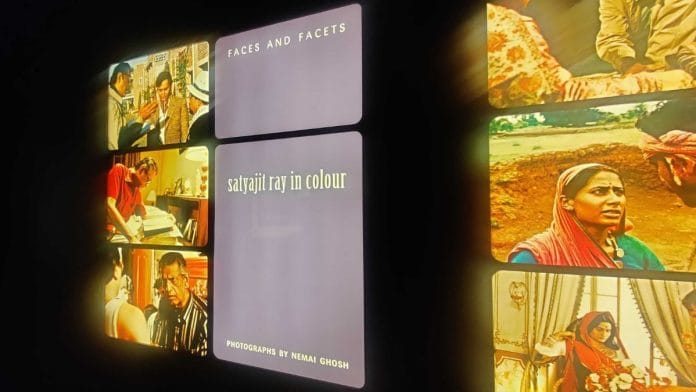
This year saw the debut of Photo Sydney, a dedicated section for contemporary photography curated by Sandy Edwards. It successfully positioned photography as a high-prestige art form, attracting twice the number of applicants than booths available.
Notable Galleries and Emerging Artists
Sydney-based galleries like Coma and Nasha Gallery, run by young gallerists, introduced fresh perspectives and drew younger buyers. Meanwhile, established names like Michael Reid and Utopia Art Sydney maintained strong sales despite the downturn.
Talks, Performances, and Public Programs
Beyond sales, the fair delivered vibrant cultural programming. Visitors enjoyed panel discussions, live performances, and curated talks, which added depth to the event and broadened its cultural impact.
Perspectives from Galleries and Directors
Michael Reid’s Sales and Insights
Michael Reid reported sales of A$1.2m, a solid performance reflecting strong demand for curated, sophisticated collections.
Utopia Art Sydney and the A$1.5m Masterpiece
Christopher Hodges, director of Utopia Art Sydney, highlighted the potential sale of Kngwarray’s masterpiece, underscoring the high value of Indigenous art in the Australian market.
Young Gallery Owners Making Their Mark
New-generation gallery owners such as Sotiris Sotiriou (Coma) and Viktor Kravchenko & James Stevens (Nasha Gallery) are reshaping the collector landscape by appealing to millennial buyers.
The Future of Sydney Contemporary
Plans for the 10th Edition in 2026
Next year’s 10th anniversary promises to be a milestone, with organisers planning expanded features and new curatorial initiatives.
Expanding Photography and New Art Forms
Photo Sydney will return with more space, and organisers are exploring how to integrate digital art, installations, and emerging mediums.
Strategies for Sustaining Growth
The fair is expected to focus on:
- Increasing international participation
- Leveraging digital channels for broader sales
- Enhancing post-fair sales tracking
FAQs about Sydney Contemporary 2025
1. What is Sydney Contemporary 2025?
It is Australia’s largest international art fair, showcasing nearly 500 artists and 116 galleries at Carriageworks in Sydney.
2. Why did sales decline in 2025?
Sales fell due to economic caution, slower buyer decision-making, and a shift in market dynamics favoring high-end galleries over decorative art.
3. How many visitors attended the fair?
A record 26,440 visitors attended Sydney Contemporary 2025.
4. What was the most expensive artwork at the fair?
A painting by Emily Kam Kngwarray priced at A$1.5m, displayed by Utopia Art Sydney.
5. What new feature was introduced in 2025?
The launch of Photo Sydney, a dedicated photography section, which will expand in 2026.
6. When is the next Sydney Contemporary?
The 10th edition will take place in September 2026 at Carriageworks, Sydney.
Conclusion: Sydney Contemporary’s Role in Australia’s Art Market
Despite a decline in sales, Sydney Contemporary 2025 demonstrated its enduring cultural significance. Record visitor numbers, the debut of Photo Sydney, and the presence of emerging galleries prove that the fair continues to evolve and attract fresh audiences. While economic caution has slowed transactions, the long-term trajectory suggests resilience. As Sydney Contemporary approaches its landmark 10th edition, it remains a vital hub for showcasing Australian and international contemporary art.