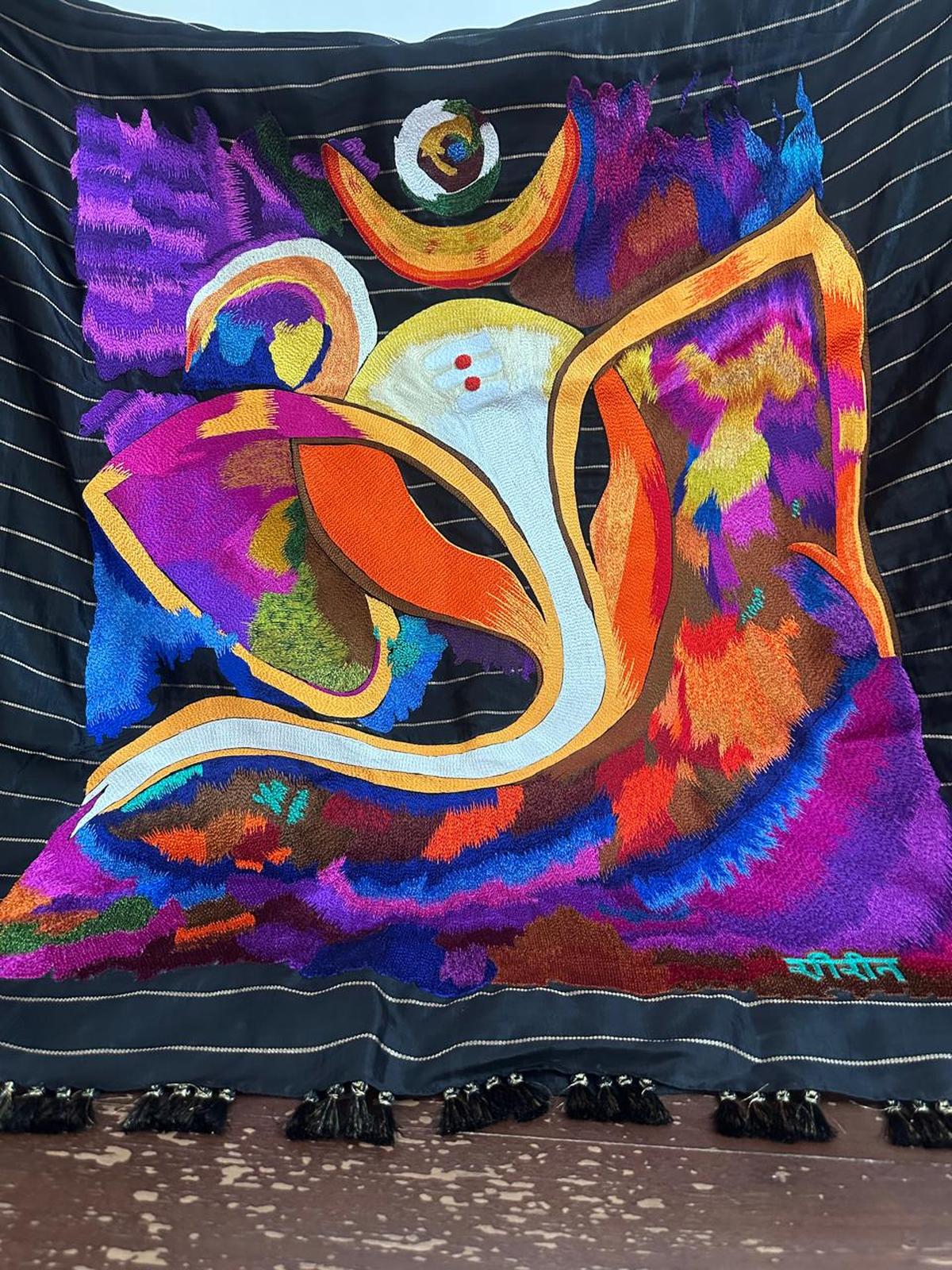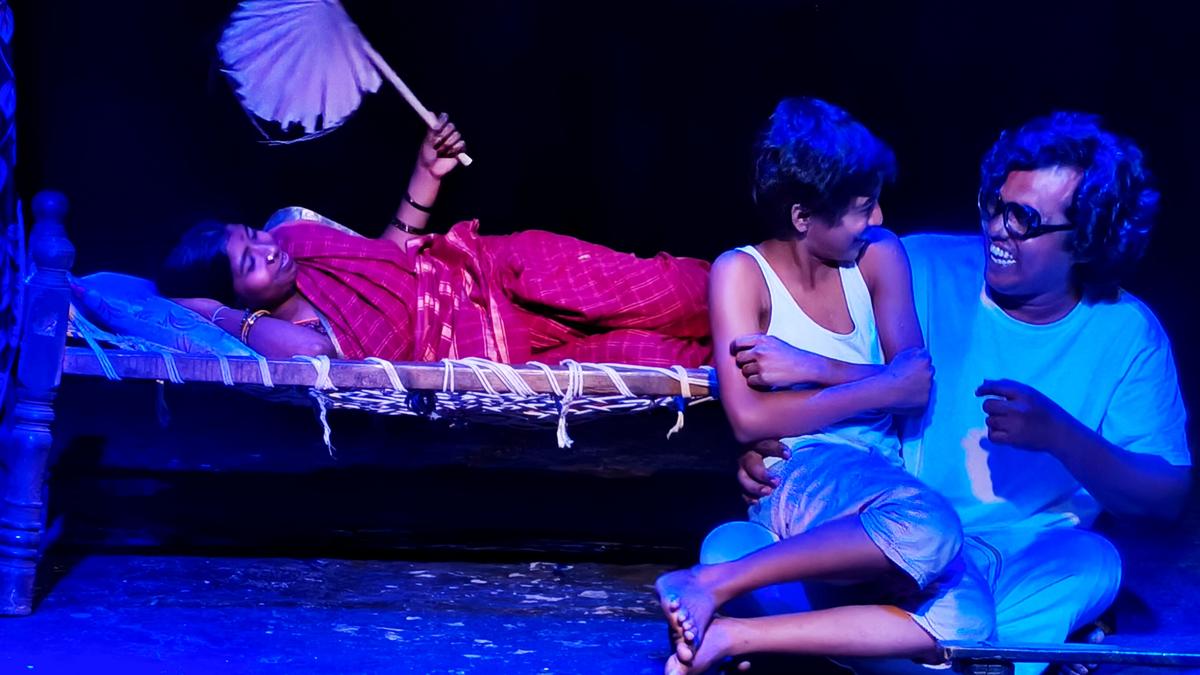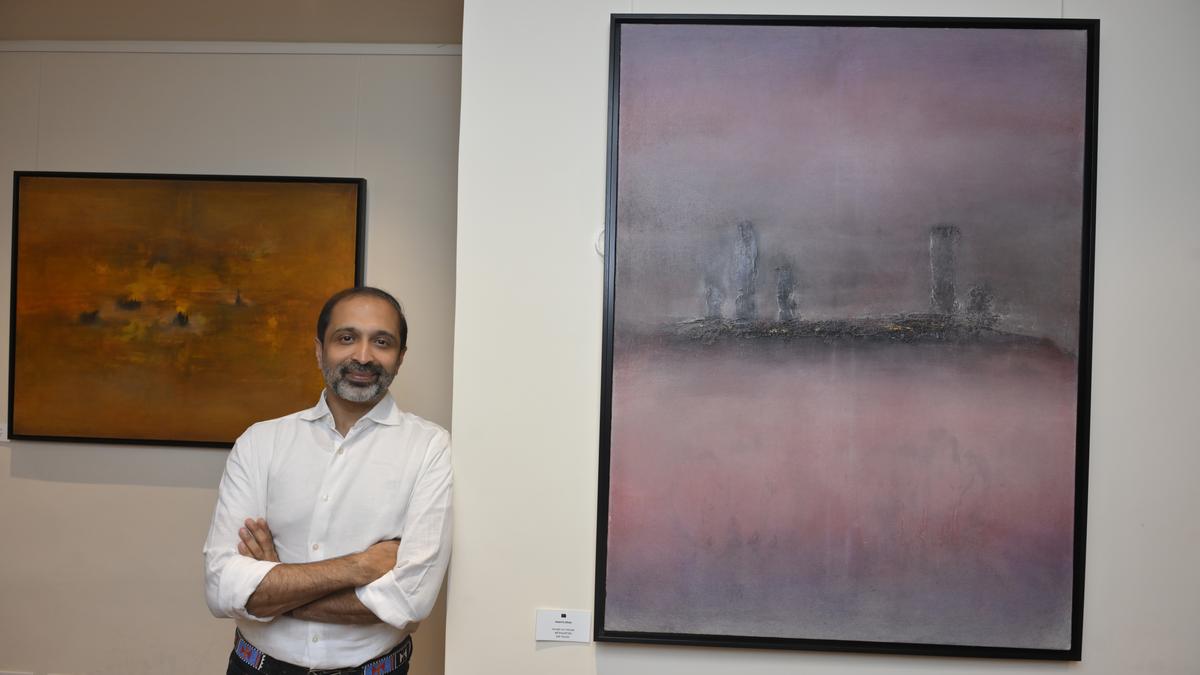
A large celebration of India’s indigenous artistic traditions unfolded at Travancore Palace in New Delhi, where the Tribes Art Fest 2026 brought together tribal artists and their works from across the country. The event presented a rare opportunity for visitors to experience the diversity of tribal art forms under one roof. The festival featured more …
Tribal Art Traditions Took Centre Stage at Festival in Delhi’s Travancore Palace
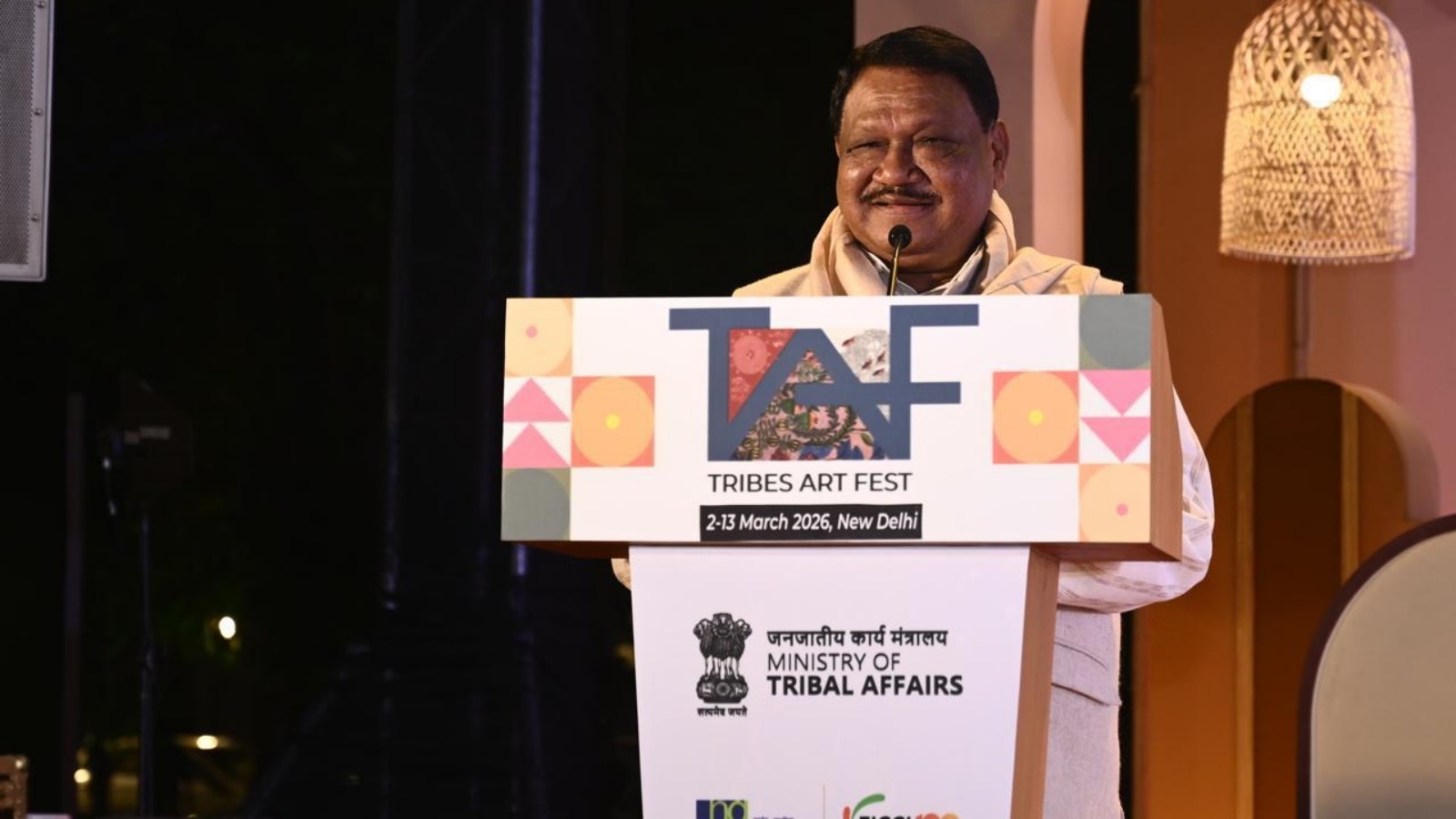
A large celebration of India’s indigenous artistic traditions unfolded at Travancore Palace in New Delhi, where the Tribes Art Fest 2026 brought together tribal artists and their works from across the country. The event presented a rare opportunity for visitors to experience the diversity of tribal art forms under one roof.
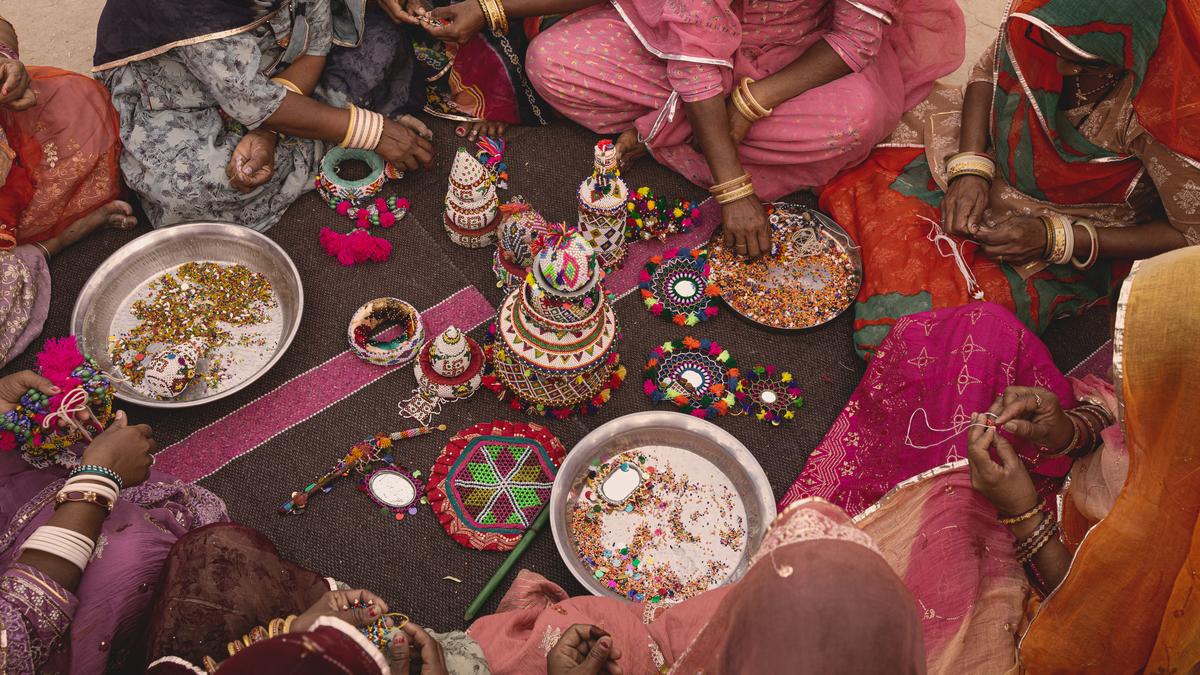
The festival featured more than 75 artists and over 1,000 artworks representing around 30 tribal traditions, making it one of the most extensive showcases of tribal visual culture in recent years. Art forms such as Warli, Gond, Bhil, Dokra, Sohrai, Saura, Bodo and Koya were displayed through paintings, sculptures and craft pieces.
Organised by the Ministry of Tribal Affairs along with the Federation of Indian Chambers of Commerce and Industry and the National Gallery of Modern Art, the exhibition aimed to highlight the creative heritage of tribal communities while creating new opportunities for artists. The festival opened on March 2 and continued until March 13.
Several participating artists used their works to portray everyday life and cultural values of their communities. Assam based Bodo artist Kingson Swargiary depicted nature, wildlife and village life in his paintings, emphasising the deep connection between tribal communities and their environment.
Another artist, V Naveen from the Koya community in Telangana, used earthy red tones inspired by traditional pigments once derived from forest stones and soil. His works reflected everyday scenes such as farming, rituals and women’s labour, offering insight into the lived experiences of tribal societies.
Through exhibitions, storytelling and artist interactions, the festival highlighted the importance of preserving indigenous art traditions while giving contemporary visibility to communities whose creative practices have often remained outside mainstream galleries.