In Tamil Nadu, an emerging theatre collective is redefining the purpose of the stage by using live performance as a medium to address pressing social issues and spark community dialogues. Rather than treating theatre as mere entertainment, the group — whose work was recently spotlighted by The Hindu — creates plays rooted in real-life challenges …
Beyond Entertainment: Tamil Stage Artists Harness Drama to Tackle Social Issues
In Tamil Nadu, an emerging theatre collective is redefining the purpose of the stage by using live performance as a medium to address pressing social issues and spark community dialogues. Rather than treating theatre as mere entertainment, the group — whose work was recently spotlighted by The Hindu — creates plays rooted in real-life challenges faced by ordinary people, offering audiences a chance to confront societal problems face-to-face.
At the heart of the troupe’s mission is the belief that theatre can be a tool for social transformation. Their productions tackle topics such as caste inequity, gender roles, economic hardship, and public prejudice by dramatizing lived experiences that many in the audience recognise but rarely discuss openly. Through dialogue, movement and storytelling, the performances invite spectators to reflect on their own values and behaviours — bridging the gap between art and everyday life.
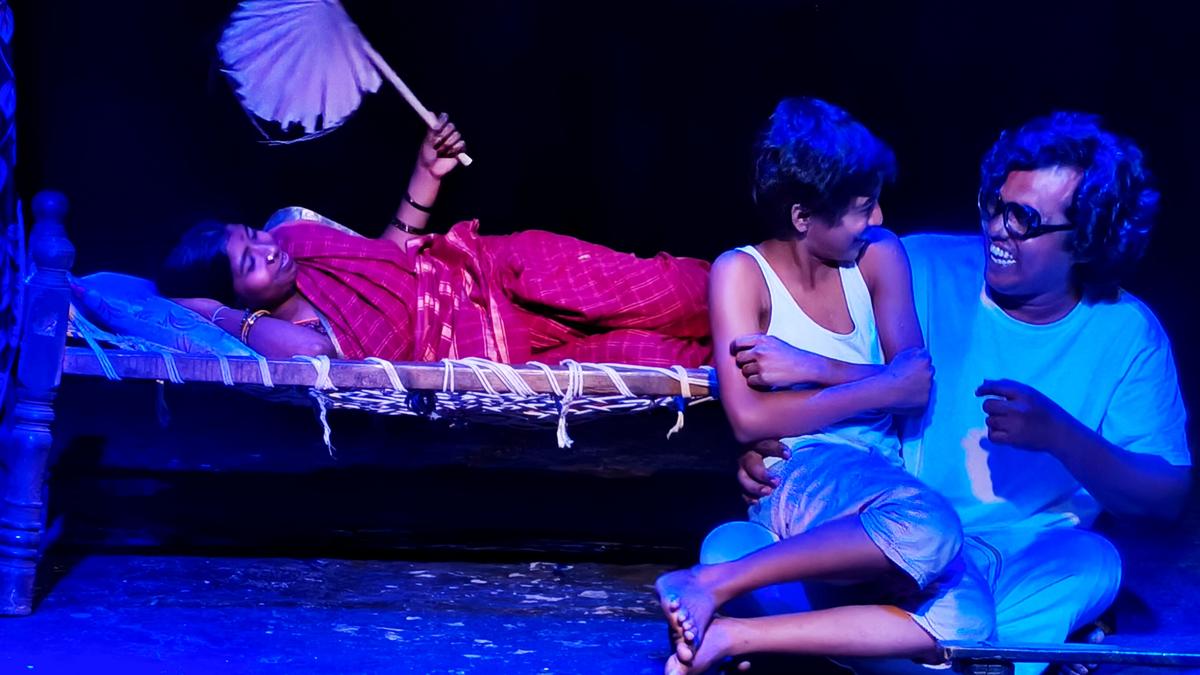
The group’s recent production, Thambi, exemplifies this approach. Based on a Tamil literary work, the play was staged in multiple community settings, from college auditoriums to public squares, encouraging people from different walks of life to engage with its themes. Actors report that post-show discussions often become emotional and candid, with audience members sharing their own stories, thereby extending the performance’s impact beyond the stage.
This method isn’t entirely new — traditional Tamil forms such as terukkuttu, a style of street theatre that blends folk performance with moral instruction, have long used drama to educate and unite communities. What’s noteworthy is how the contemporary troupe adapts this legacy, integrating modern dramaturgy with grassroots activism to address modern concerns. Their work aligns with global models of theatre for social change, where dramatic expression serves as an entry point for public debate and empowerment.
As live theatre contends with digital media and cinema for public attention, this group’s dedication to meaningful engagement and societal relevance demonstrates a resilient belief in theatre’s potential to influence thought and inspire action. By giving voice to marginalized perspectives and staging stories that resonate with everyday realities, they’re transforming the theatrical experience from passive observation to active social participation.