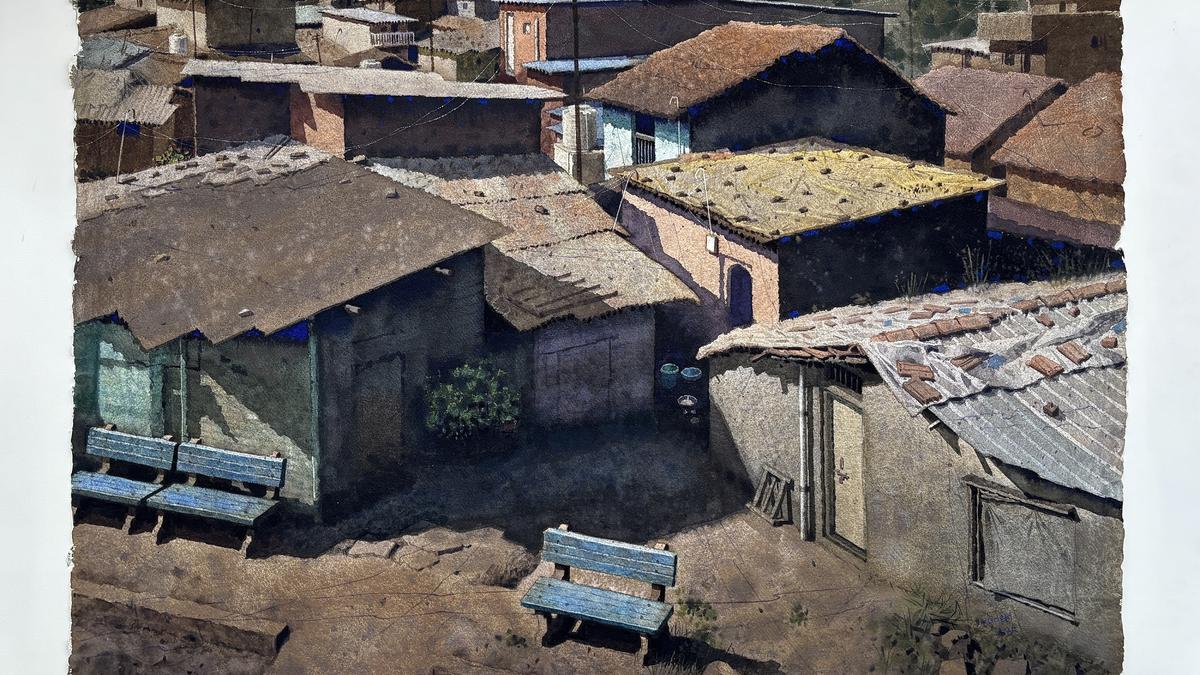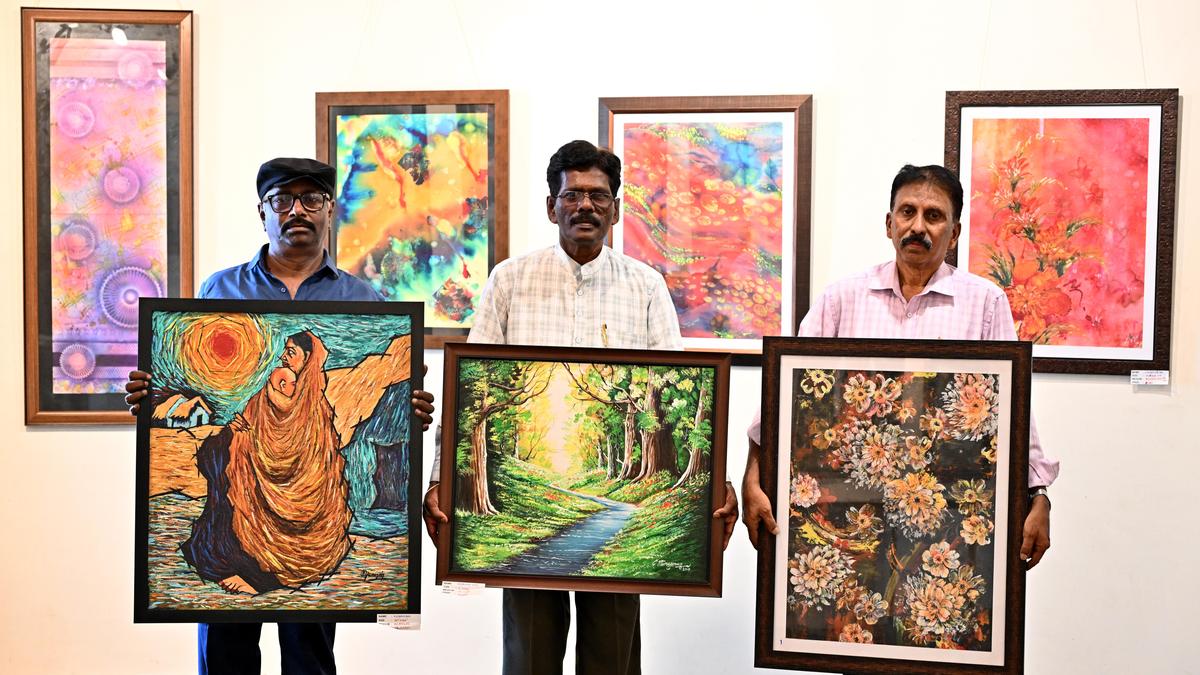
A new contemporary art exhibition titled “Echo” is drawing attention for how it uses creative expression to confront and reflect on Sri Lanka’s troubled history of conflict and its lasting impact on society. The show, which brings together works by more than 20 artists, is open until 15 April 2026 and highlights how visual art …
‘Echo’: Art as Memory and Healing from Sri Lanka’s Turbulent Past
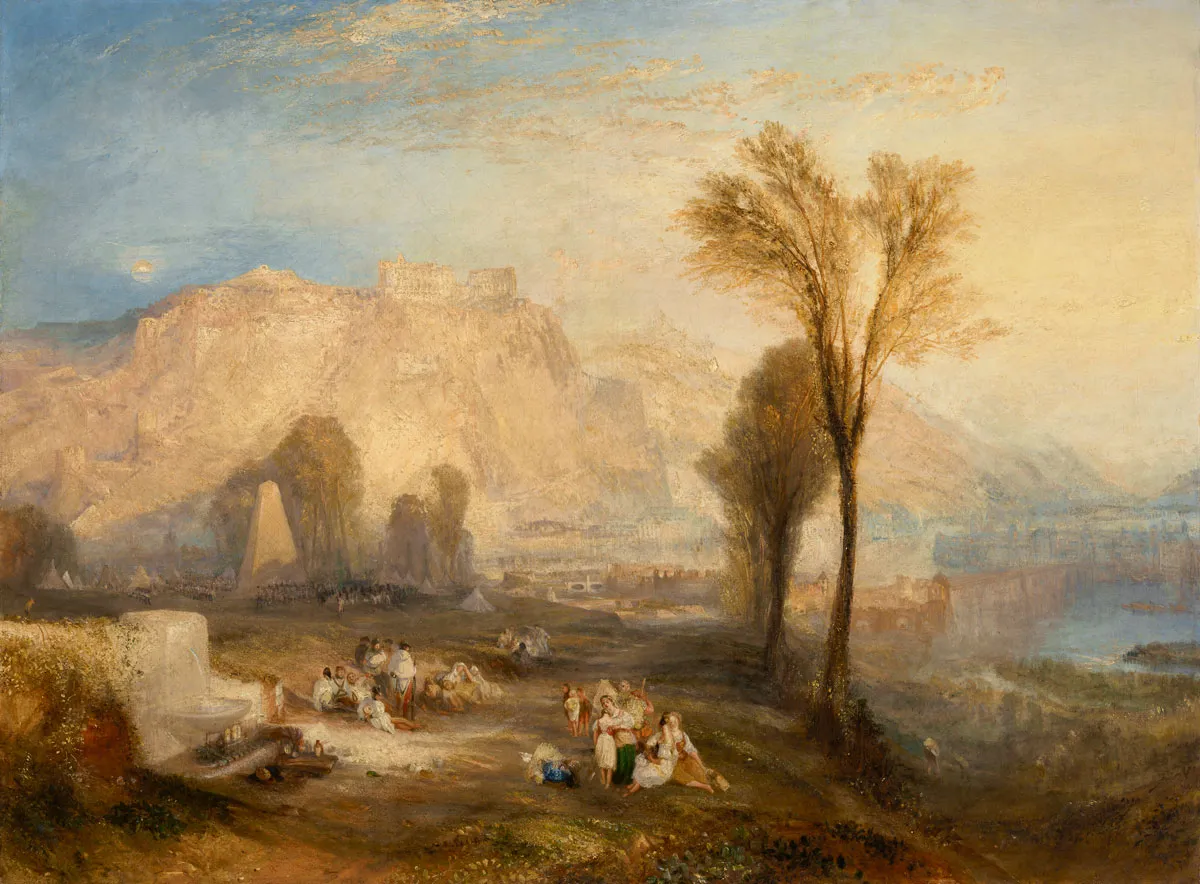
A new contemporary art exhibition titled “Echo” is drawing attention for how it uses creative expression to confront and reflect on Sri Lanka’s troubled history of conflict and its lasting impact on society. The show, which brings together works by more than 20 artists, is open until 15 April 2026 and highlights how visual art can become a medium of collective memory and emotional dialogue.
Rather than focusing solely on aesthetics, Echo engages directly with themes of war, loss, displacement and resilience, offering viewers a deeper understanding of the island nation’s decades-long experiences with ethnic conflict and civil strife. Many of the participating artists draw inspiration from personal or community histories that have been shaped by these events, making the exhibit both a cultural archive and a platform for storytelling.
By placing these narratives in a shared public space, the exhibition also highlights how contemporary art can serve as a bridge between past and present — helping both local and international audiences grapple with the human cost of violence and the enduring quest for peace and identity. Through installations, paintings and multimedia forms, the works evoke memories that might otherwise remain unspoken, underscoring art’s capacity to preserve history in ways that transcend language and politics.
Curators say that in contexts like Sri Lanka — where wounds from civil war and political tensions still influence everyday life — exhibitions such as Echo provide a forum for reflection and conversation that go beyond traditional historical documentation. They offer not just visuals, but emotional resonance and space for empathy.
By integrating artistic voices from across communities affected by conflict, the show also underscores the importance of creative practices in healing and reconciliation — inviting visitors to see beyond headlines and statistics to the lived realities that shape a nation’s collective memory.