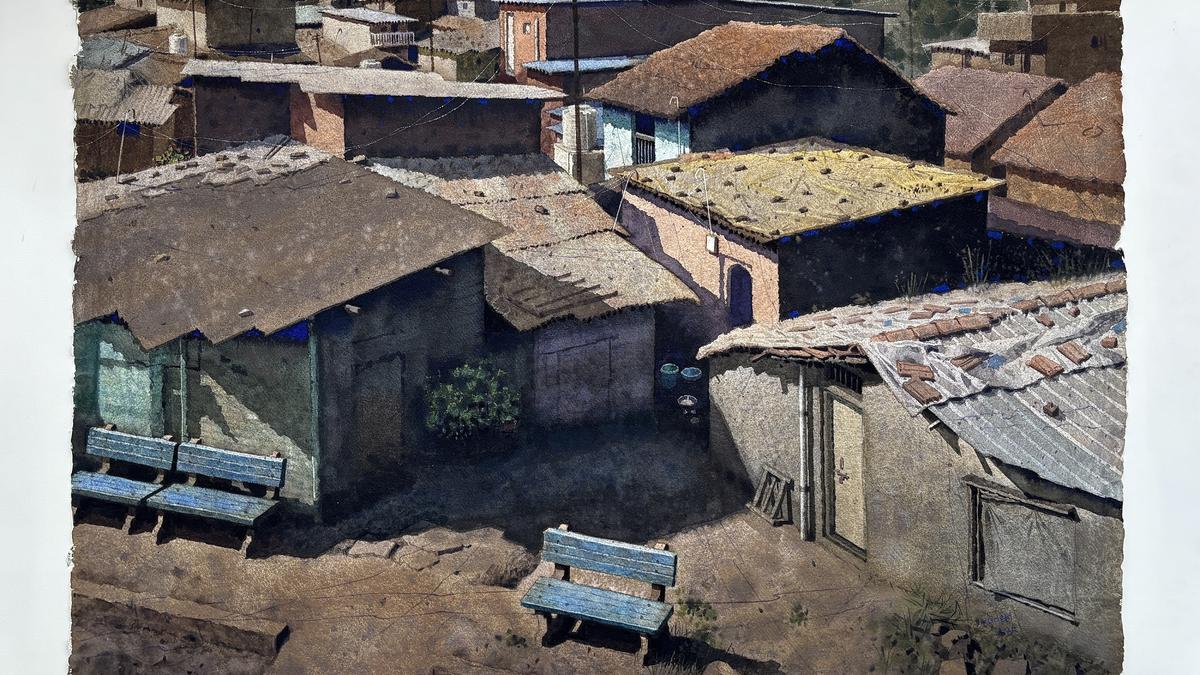
In New Delhi, the city’s art community is celebrating one of India’s most multifaceted modern artists, Satish Gujral, with a sweeping centenary retrospective that reframes his life’s work not just as a historical archive but as a living dialogue between personal experience, national change and artistic innovation. “Satish Gujral 100: A Century in Form, Fire …
How Satish Gujral’s Art Defies Simple Labels
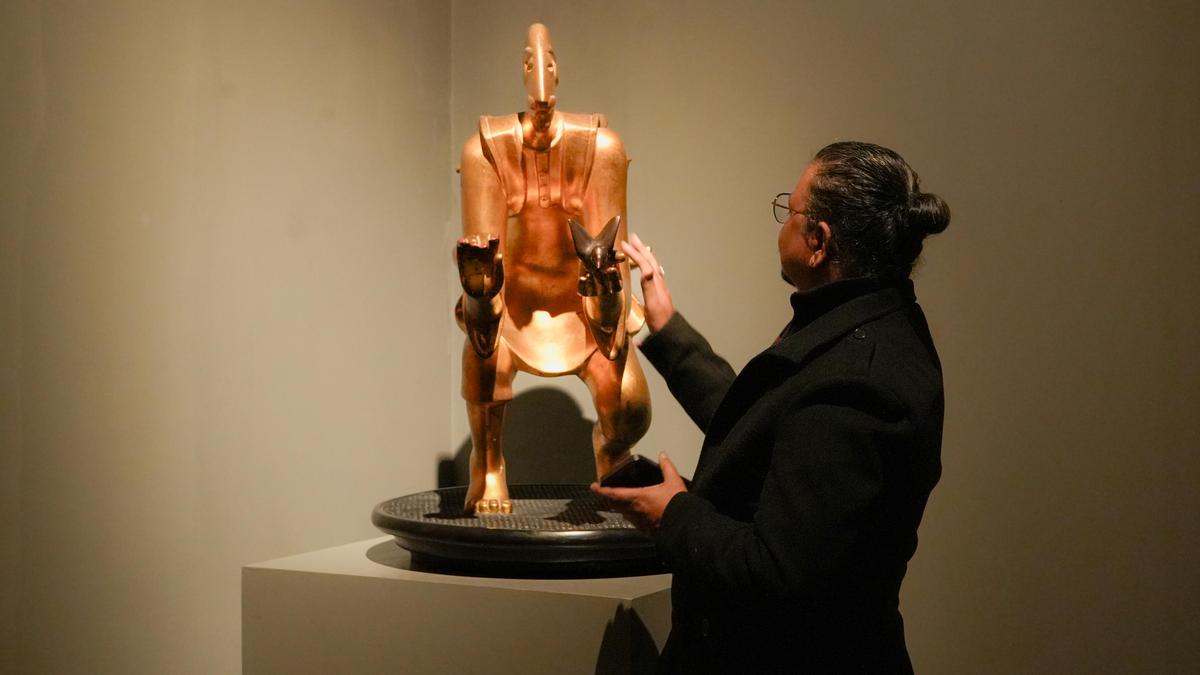
In New Delhi, the city’s art community is celebrating one of India’s most multifaceted modern artists, Satish Gujral, with a sweeping centenary retrospective that reframes his life’s work not just as a historical archive but as a living dialogue between personal experience, national change and artistic innovation.
“Satish Gujral 100: A Century in Form, Fire and Vision” — now on display at the National Gallery of Modern Art (NGMA) — brings together an extensive range of his creations, including paintings, sculptures, drawings, murals and early personal papers. The exhibition traces Gujral’s artistic evolution across more than seven decades, revealing how his art responded to historical upheavals such as the Partition of India, global encounters and internal struggles with silence and memory.
Gujral’s life story — marked by his childhood hearing loss, experiences during Partition and later international exposure under renowned Mexican muralists — is woven into the exhibition’s narrative. His early works depict the anguish and resilience of displaced communities, while later pieces explore abstraction, material experimentation, architecture and social commentary. Visitors see how his art shifted over time, from poignant figurative works to bold sculptural and abstract forms.
Alongside the NGMA show — open until March 31, 2026 — a parallel exhibition at Gujral House invites audiences to reflect on the artist’s architectural thinking and how living spaces shaped his creative vision. This dual presentation is part of a broader program marking Gujral’s centenary, including talks, installations and displays that span cities across India.
The retrospective highlights Gujral’s ability to merge personal history with collective memory, presenting not just a chronology of works but a layered portrait of an artist whose influence touched painting, public art, architecture and cultural conversation in India and beyond.