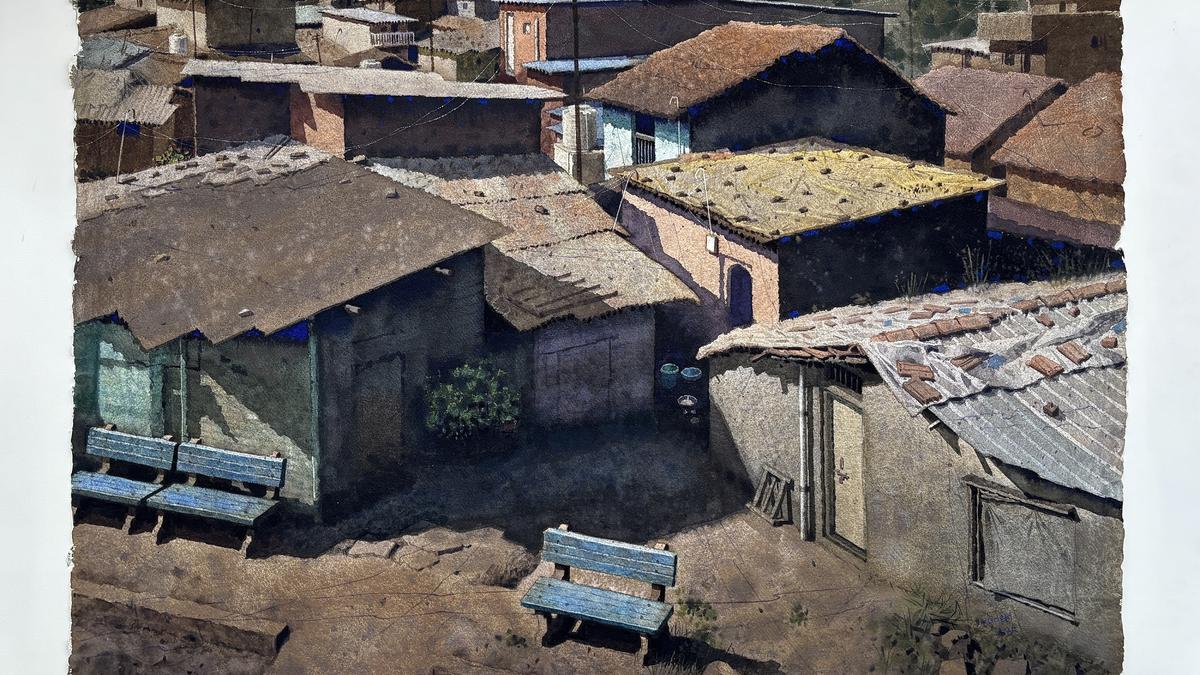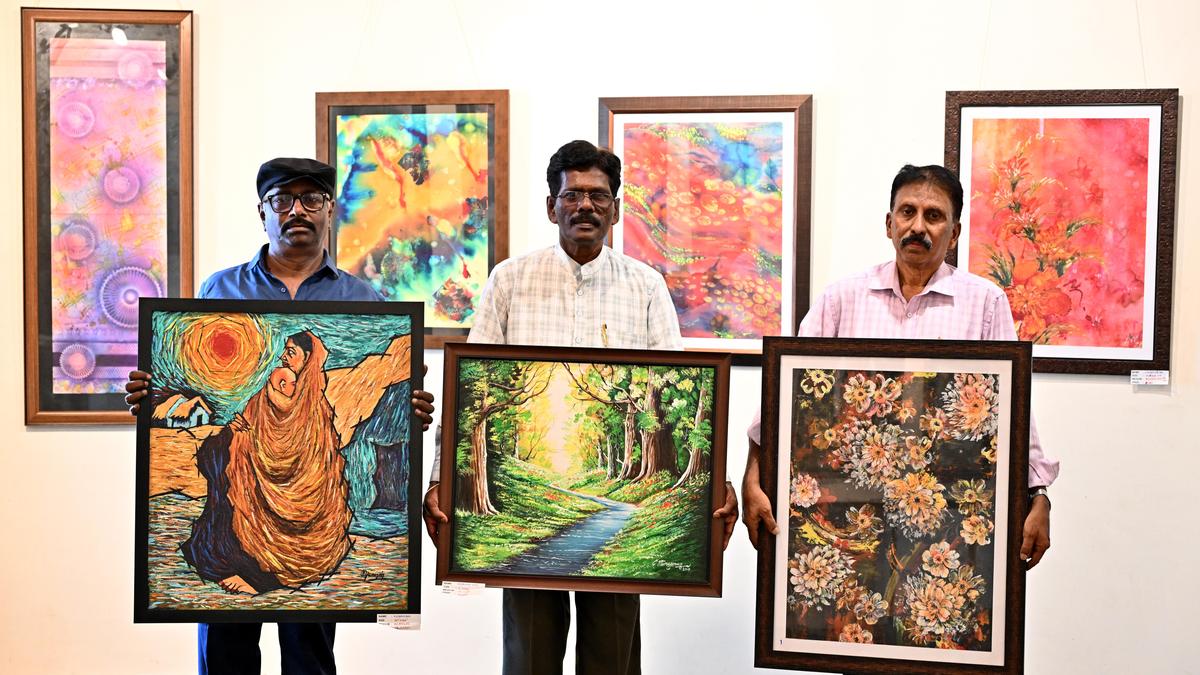
A new art exhibition in Chennai has brought renewed attention to a pivotal chapter in Indian modern art — the Madras Art Movement — not as a historical footnote but as a living dialogue between generations of artists. The Trilogy exhibition, held at a prominent city gallery, foregrounds the continuing impact of this once-peripheral South …
How a New Exhibition Reimagines the Madras Art Movement for Today
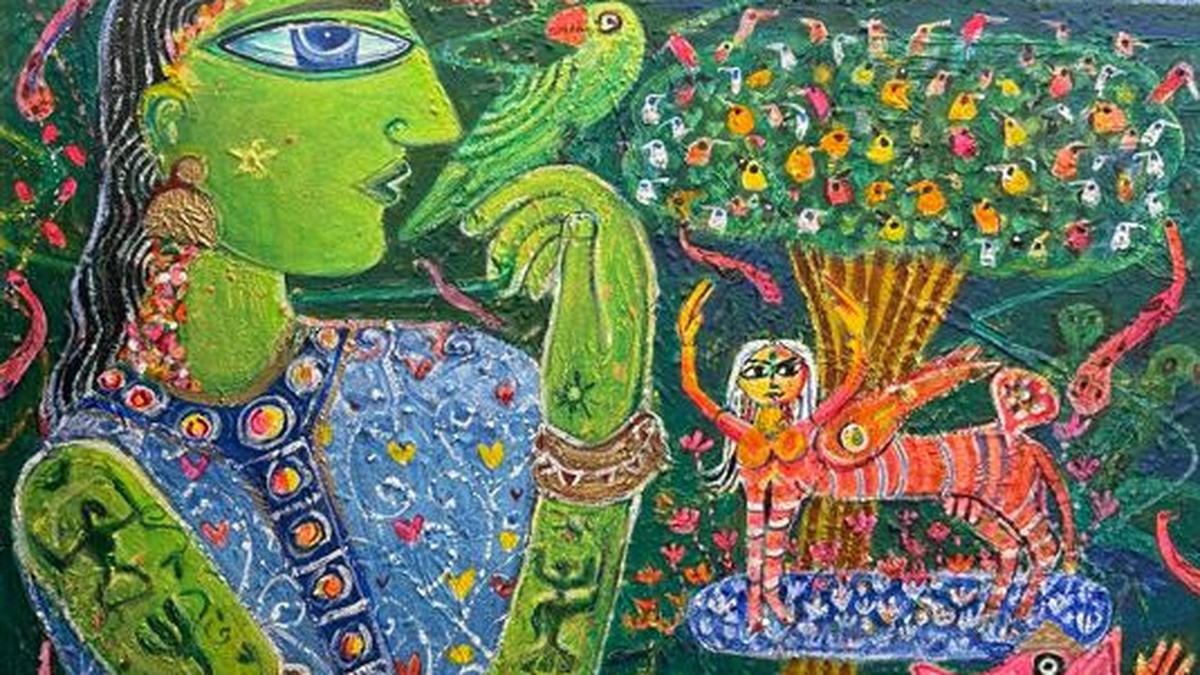
A new art exhibition in Chennai has brought renewed attention to a pivotal chapter in Indian modern art — the Madras Art Movement — not as a historical footnote but as a living dialogue between generations of artists. The Trilogy exhibition, held at a prominent city gallery, foregrounds the continuing impact of this once-peripheral South Indian movement through the vivid work of three seminal practitioners.
At a time when Indian art history often spotlights familiar names from Bombay, Calcutta, or Delhi, this show encourages viewers to reconsider the creative energies that emerged in Madras (now Chennai) from the 1960s onward — a period when artists sought to define modernism rooted in local traditions, mythology, folk forms and the lived experience of South India.
A Movement Reframed for Today
The Trilogy exhibition brings together three artists whose work epitomises the philosophical breadth of the Madras Art Movement:
- Artist A (name as reported) pushes abstraction with a lyrical sense of colour and form, reinterpreting landscape and memory.
- Artist B bridges figuration and narrative, drawing on regional stories and vernacular aesthetics.
- Artist C reflects on modern life with bold shapes and visual rhythm.
Together, their works act as a conversation across decades — one that connects the movement’s origins at institutions like the Government College of Fine Arts, Chennai, and artistic communities such as the Cholamandal Artists’ Village, with contemporary practitioners continuing those legacies.
Historical Roots, Contemporary Resonance
The original Madras Art Movement — active between the 1960s and 1980s — was not simply a mimic of Western modernism. Instead, its founders championed a distinct, regionally inflected modern identity that embraced indigenous motifs and narratives. Pioneers such as K.C.S. Paniker, D.P. Roy Chowdhury and others established Chennai as a centre of artistic innovation with a uniquely South Indian voice.
Unlike many dominant narratives in Indian art that foreground the Bombay Progressives, this movement underscored a pluralistic idea of modern art that was rooted in local histories and traditions — but not limited by them.
Past Meets Present
Curators of Trilogy have curated the works in a way that juxtaposes historical influences with contemporary practices — a strategy that invites viewers to see not just a retrospective but a continuing lineage. The effect is both educational and provocative: it asks whether regional histories have been sidelined in broader art discourse, and whether their resurgence redefines what it means to speak of “modern art” in India.
Artists from successive generations — influenced directly or indirectly by the Madras movement — continue to experiment with form, narrative and medium, reinforcing the region’s contribution to Indian modernism.
More Than Nostalgia
The exhibition also aligns with a broader cultural reassessment of regional art histories, encouraging audiences to locate Madras modernism not simply in the past but in the ongoing practices of artists who carry forward its ethos. By framing this lineage through the work of three distinctive voices, Trilogy turns a historical movement into a dynamic conversation — one that resonates with contemporary questions about identity, regionalism and global art narratives.
As Chennai’s art community grows and honours its history, exhibitions like this aim to ensure that the Madras Art Movement — once marginalised in national art histories — remains central to discussions about modern Indian art.