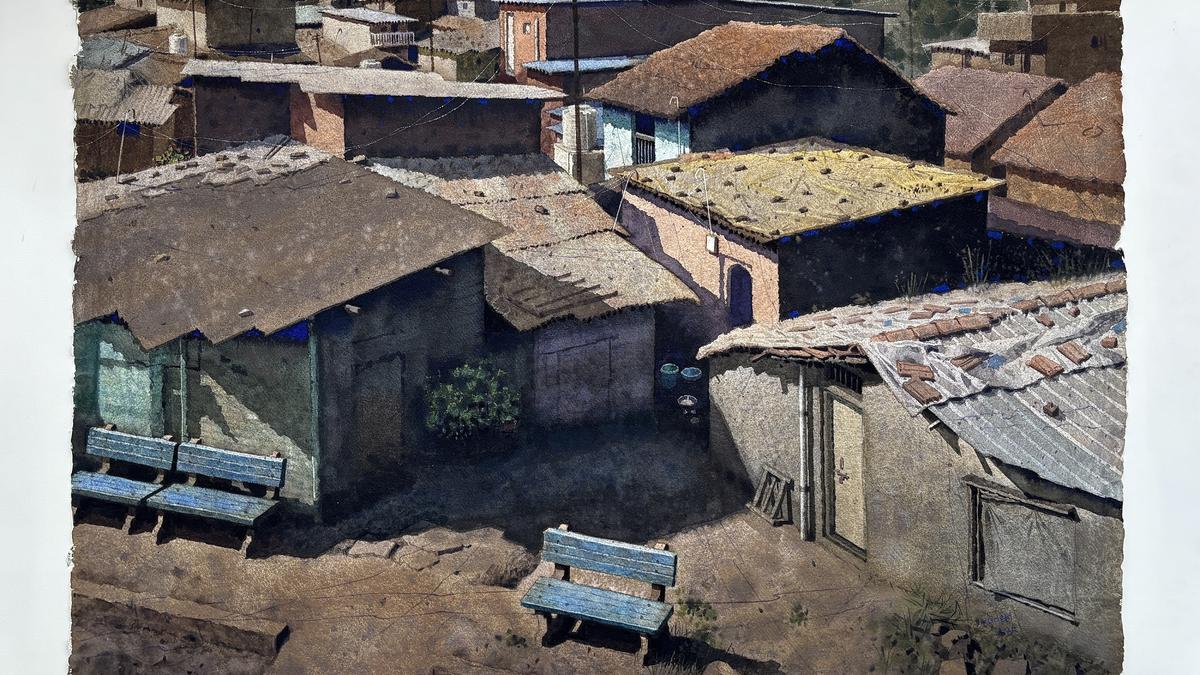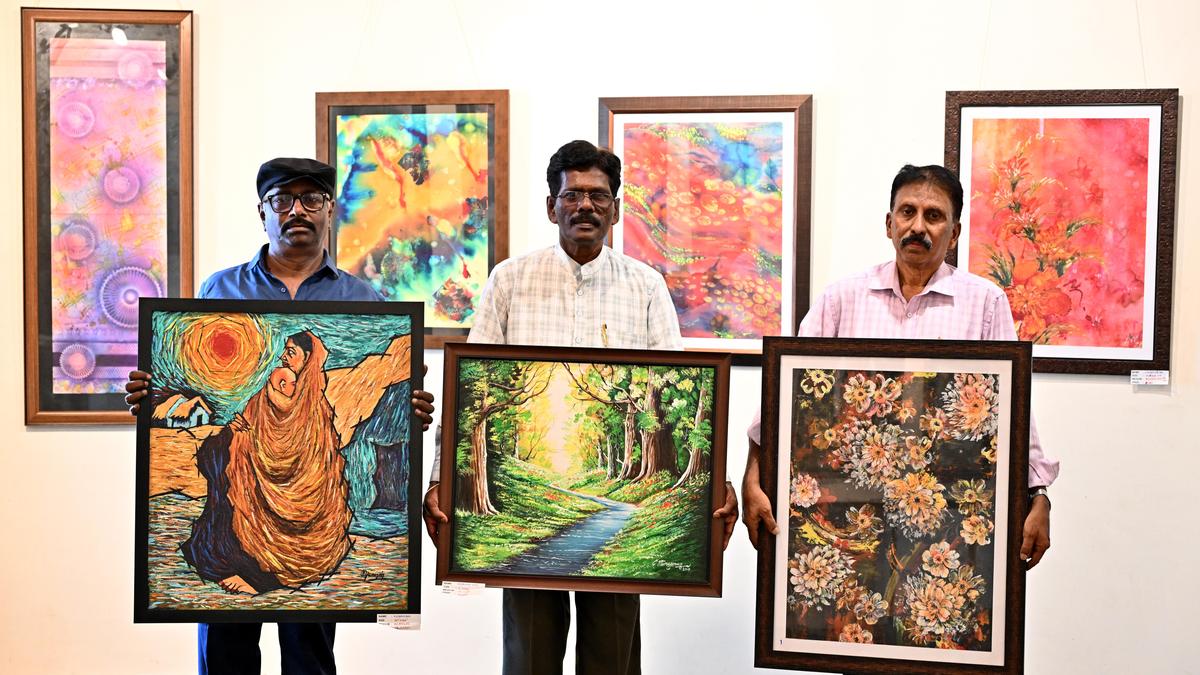
Hyderabad is hosting an exhibition that shifts the focus of contemporary Indian art toward voices that have long remained on the margins. Titled The Whole Story, the show at Lalit Kala Akademi brings together 36 artists to mark Dalit History Month through works that speak of identity, memory, and resistance. Reported by The Hindu, the …
How The Whole Story Reframes Dalit Art
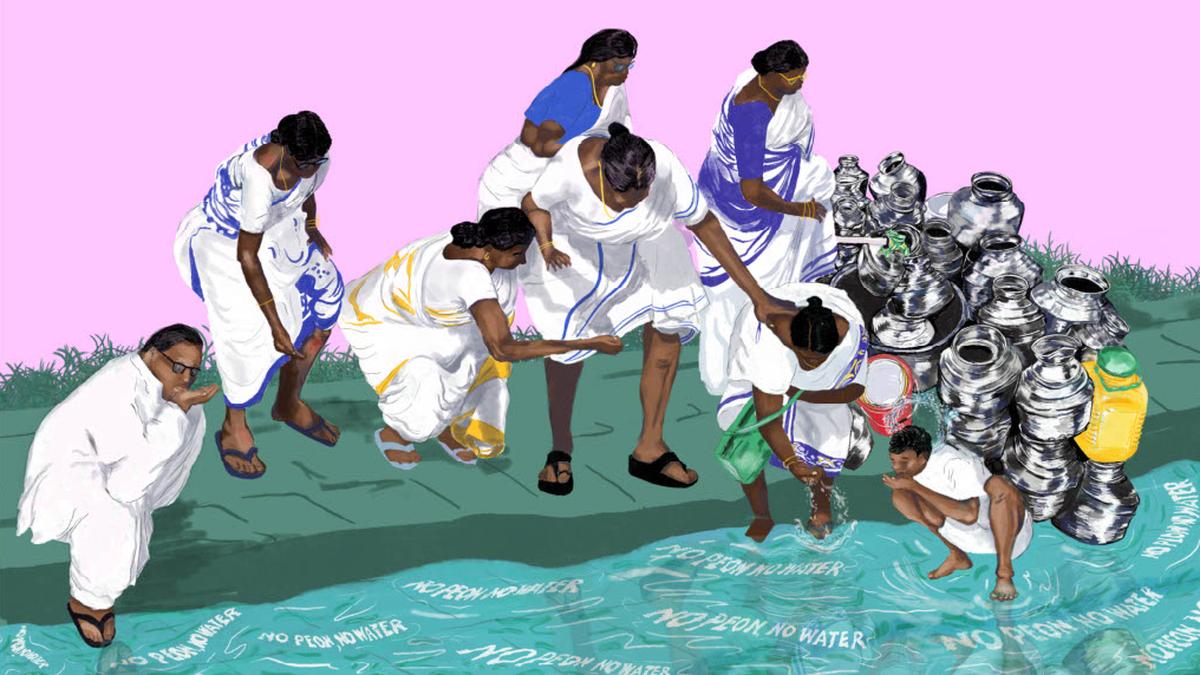
Hyderabad is hosting an exhibition that shifts the focus of contemporary Indian art toward voices that have long remained on the margins. Titled The Whole Story, the show at Lalit Kala Akademi brings together 36 artists to mark Dalit History Month through works that speak of identity, memory, and resistance.
Reported by The Hindu, the exhibition does not treat Dalit art as a niche or outsider category. Instead, it presents these works as central to understanding how art in India responds to lived social realities shaped by caste and exclusion.
Reclaiming the Narrative
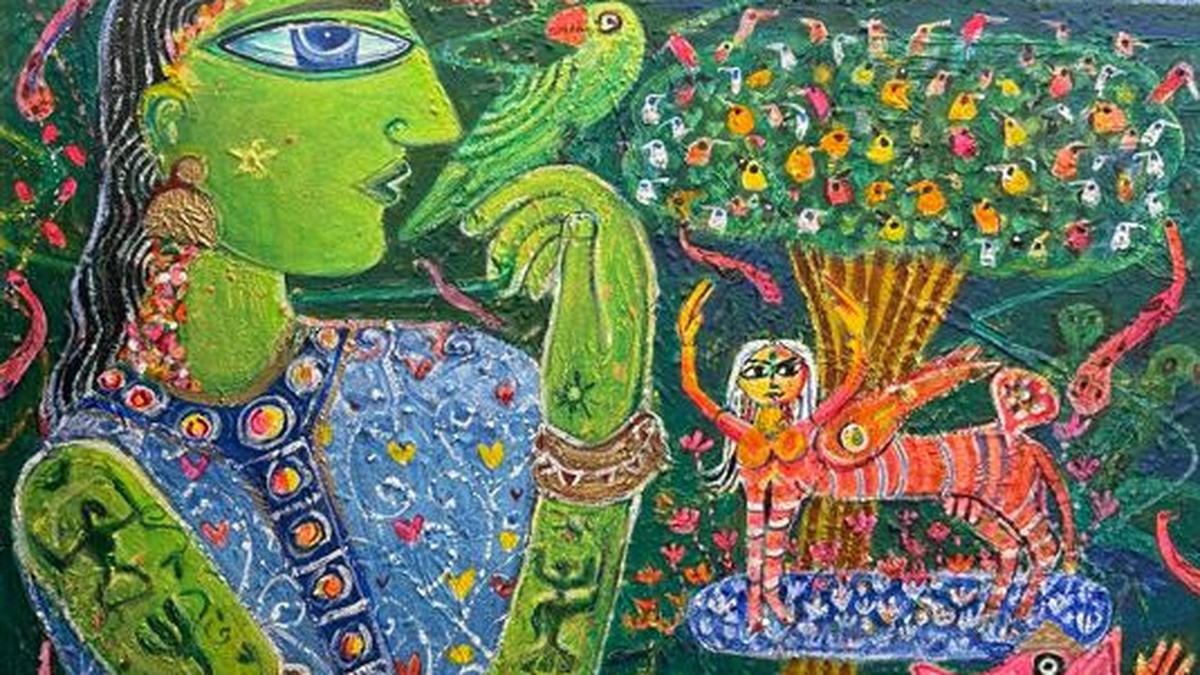
The artists use painting, sculpture, installation, and mixed media to present stories often absent from mainstream galleries. Their work reflects daily experiences of discrimination, questions of dignity, and the need to assert cultural presence. Rather than fitting into purely aesthetic interpretations, the artworks connect creative expression with social experience.
This approach challenges a long standing pattern where Dalit creativity is viewed mainly as social commentary rather than artistic innovation. The exhibition argues that politics and aesthetics are not separate for these artists. Their resistance becomes part of their visual language.
An Artistic Tradition Rooted in Experience
Dalit art does not stem from a single movement or school. It grows from decades of anti caste thought, literature, and cultural practices that seek visibility and equality. Across India, writers, performers, and visual artists from Dalit communities have used creativity to highlight the realities of exclusion from public and cultural spaces.
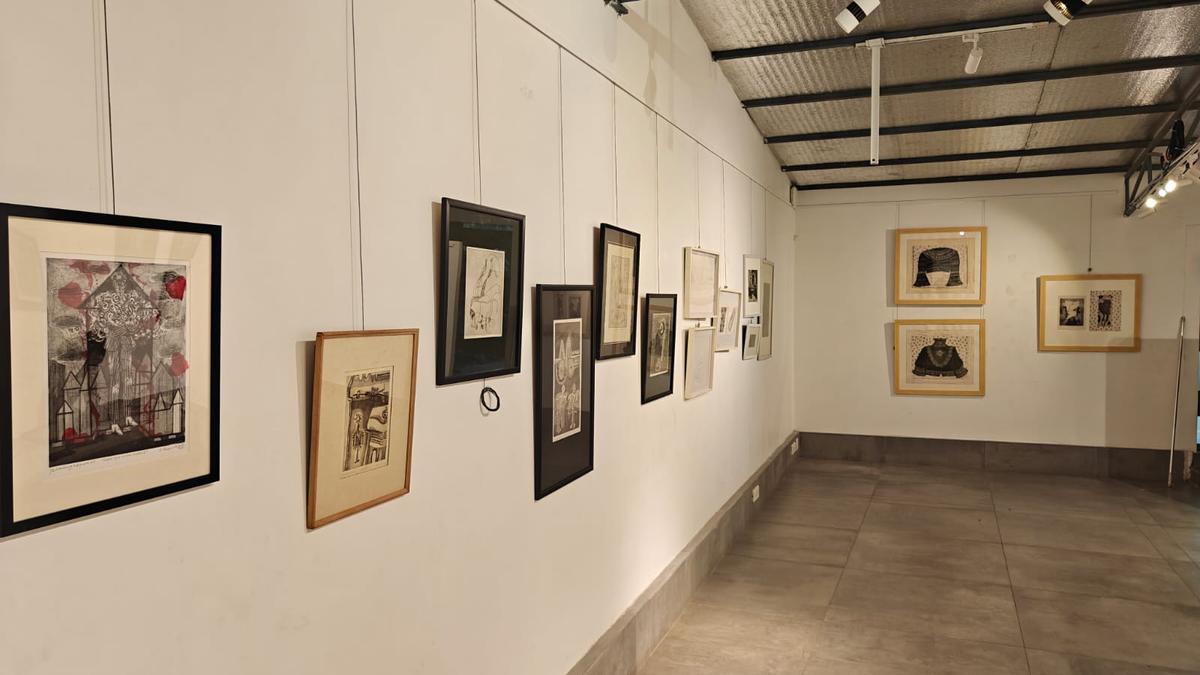
By bringing these works into a formal gallery setting, the exhibition demands that institutions recognise this tradition as part of the broader story of Indian contemporary art.
The Politics of Visibility
A key strength of The Whole Story lies in the questions it asks viewers. Whose histories are preserved in galleries and textbooks. Whose stories are treated as universal and whose are treated as marginal.
By centering Dalit experience, the exhibition presents a more complete picture of Indian art today. It turns the gallery into a place of dialogue where art is not only observed but also understood as a form of collective memory and assertion.