In the cultural heartland of Thrissur in Kerala, an institute dedicated to Tholpavakoothu — the traditional shadow puppetry of South India — is helping breathe new energy into an art form that has struggled to find its footing in a rapidly changing world. Once confined largely to ritual performances at temple festivals, this centuries-old practice …
Thrissur Puppet Arts Institute Revives Tholpavakoothu With Training and Innovation
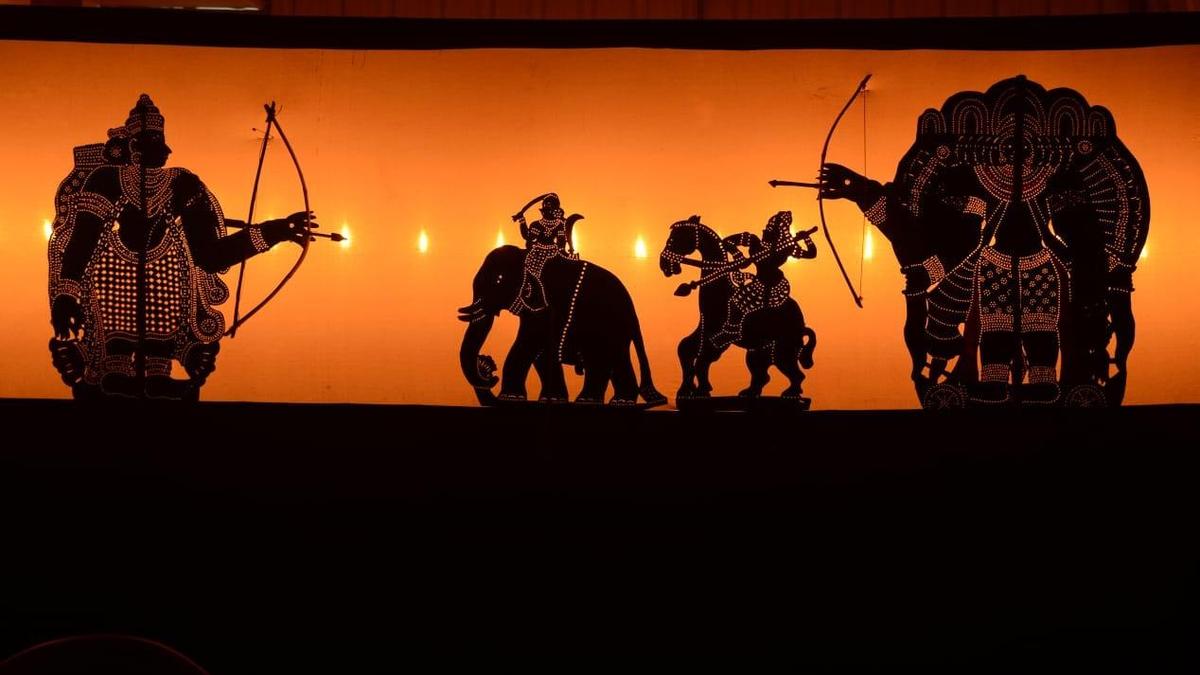
In the cultural heartland of Thrissur in Kerala, an institute dedicated to Tholpavakoothu — the traditional shadow puppetry of South India — is helping breathe new energy into an art form that has struggled to find its footing in a rapidly changing world. Once confined largely to ritual performances at temple festivals, this centuries-old practice is now being revitalised through community outreach, training programmes and innovative presentations that bridge the old with the new.
Tholpavakoothu, meaning literally “leather doll play,” is a form of shadow puppetry traditionally performed behind a white screen with leather puppets and lit oil lamps, often narrating episodes from the Kamba Ramayana — the Tamil retelling of the Indian epic. The art — held in high cultural regard in the districts of Palakkad, Thrissur and Malappuram — is known for its ritualistic origins and the deep knowledge of mythology and music required of its puppeteers.
While Tholpavakoothu once relied on temple patronage and seasonal performances, audiences — particularly younger generations — have dwindled as modern entertainment alternatives have become dominant. To reverse this trend, a Tholpavakoothu institute in Thrissur has undertaken active efforts to expand training and performance opportunities beyond traditional settings. Veterans of the art such as Rajeev Pulavar — a nationally recognised puppeteer and mentor — are at the forefront of these changes, running workshops, opening performance spaces, and involving new learners including women and students, who historically were less present in this tradition.
At the institute, aspiring performers learn everything from puppet-making and manipulation techniques to the complex slokas and musical accompaniments that define the performances, while also being introduced to contemporary themes to make Tholpavakoothu relevant to today’s audiences. These include retellings that touch on social topics and broader human stories, showcasing the adaptability of a tradition once strictly ritualistic.
Local cultural events now include Tholpavakoothu demonstrations and collaborations with educational institutions, which aim to preserve and popularise the art among younger viewers and practitioners. By pairing traditional craftsmanship with public engagement and artistic experimentation, the institute is not just keeping a heritage art alive — it is reinventing it for future generations.