The Chrysler Museum of Art is set to present a groundbreaking exhibition, Susan Watkins and Women Artists of the Progressive Era, on display from October 17th, 2025, to January 11th, 2026. This exhibition commemorates the remarkable contributions of Susan Watkins and other women artists who, despite facing significant barriers, carved out professional careers in the …

The Chrysler Museum of Art is set to present a groundbreaking exhibition, Susan Watkins and Women Artists of the Progressive Era, on display from October 17th, 2025, to January 11th, 2026. This exhibition commemorates the remarkable contributions of Susan Watkins and other women artists who, despite facing significant barriers, carved out professional careers in the late 19th and early 20th centuries. Celebrating the 150th anniversary of Watkins’ birth, the exhibition sheds light on the talent, determination, and lasting impact of these often-overlooked women.
A Transformative Period in American Art
Susan Watkins (1875–1913) is at the heart of this exhibition, with her extraordinary achievements providing a focal point. Watkins, who exhibited regularly at the Paris Salon and gained critical acclaim in both the American and European art scenes, was one of the few women artists to earn recognition in a male-dominated era. Despite her premature death at 38, her work continues to offer valuable insight into the social and professional contexts that shaped her and her contemporaries.
Corey Piper, Ph.D., the Chrysler Museum’s Brock Curator of American Art, states:
“This exhibition highlights the innovation and determination of Watkins and her peers, who forged remarkable careers despite the barriers they faced. By showcasing their work, we hope to inspire a deeper understanding of their impact and broaden the narrative of American art.”
Breaking Barriers: The Academic Pursuits of Women Artists
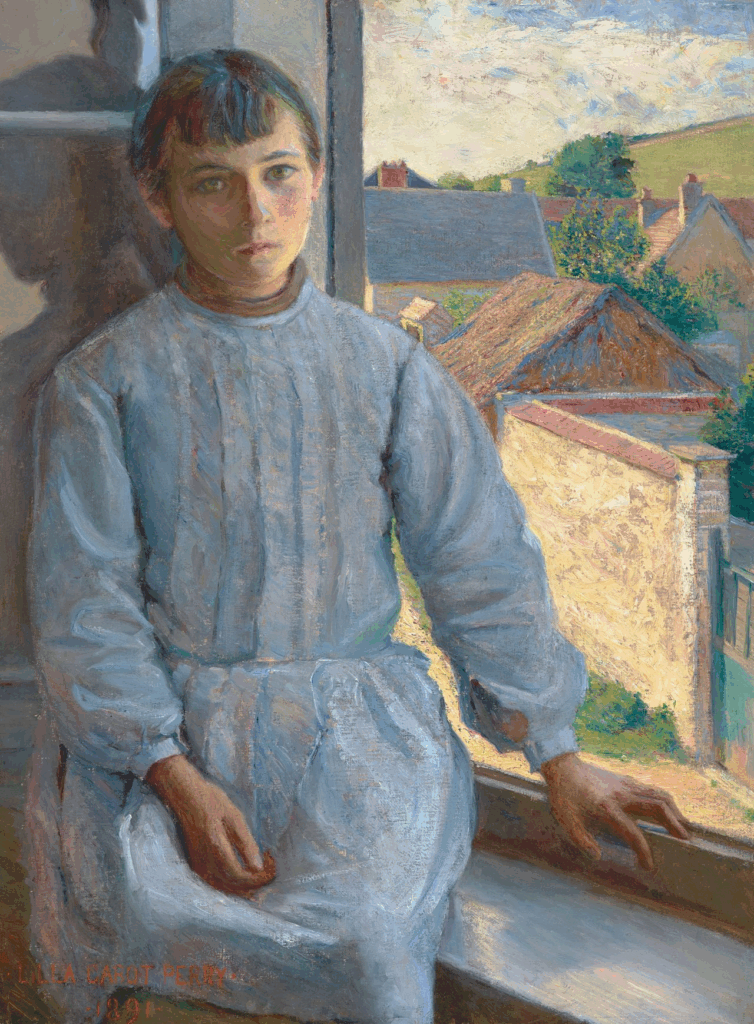
The exhibition features over 75 works by more than 20 artists, including Lilla Cabot Perry, Minerva Chapman, and Anna Elizabeth Klumpke. One of the highlights is the photograph, Raphaël Collin and His Female Students in His Atelier, Paris (ca. 1899), which features Watkins among a group of women artists who faced institutionalized discrimination. Many prestigious art schools in Paris at the time restricted women to female-only classes or charged them higher tuition fees. This photograph captures the significance of the training women artists received in Europe during this transformative era.
Piper explains the importance of this photograph in the exhibition’s broader narrative:
“As I looked at this photograph, I began thinking more broadly about Susan Watkins not just as an individual but in the way she fit into a larger network of women who were pursuing artistic careers at a scale that had never happened in the United States.”
Overcoming Societal Challenges
While training in Paris provided women with valuable professional opportunities, their return to America often met with societal disapproval. Critics feared that these women were adopting too “permissive” a lifestyle and were becoming too bohemian. As Piper notes:
“As soon as many of these women made it to the table, the rules changed. The academic path they pursued was replaced with a bohemian lifestyle, and the expectation to live as a ‘starving artist,’ a practice that was difficult for women of that era to adopt.”
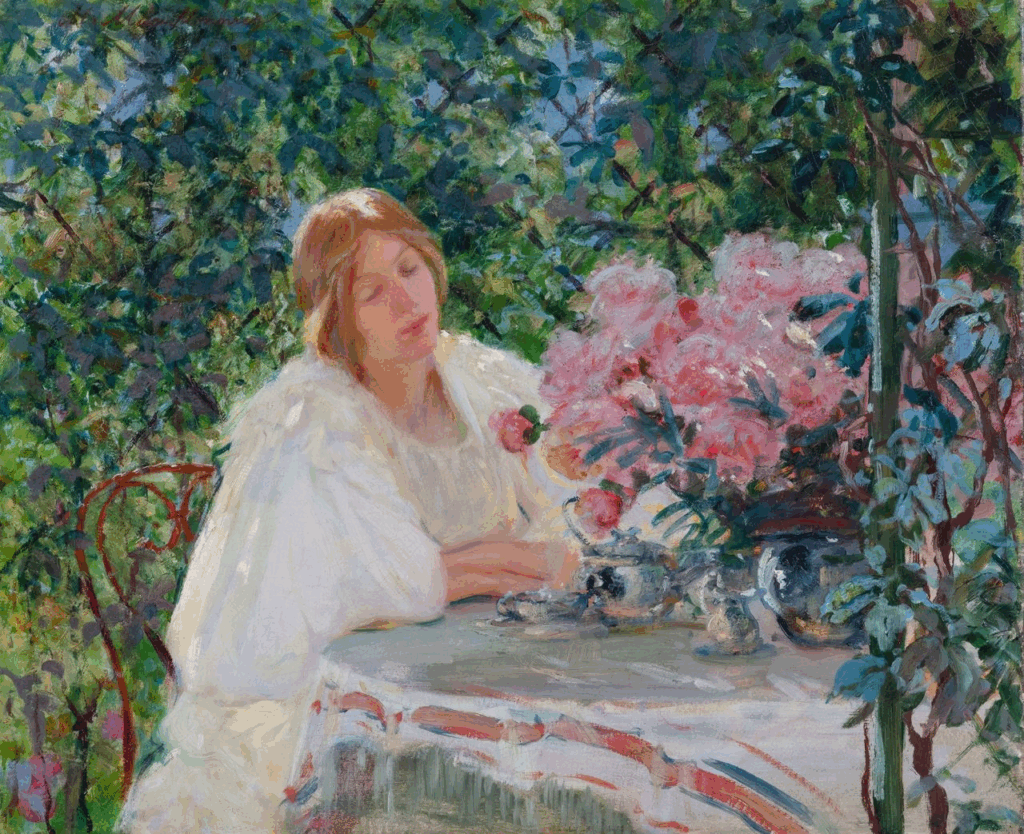
The exhibition is divided into five sections that explore the journey of Watkins and her contemporaries, from their academic pursuits to their international recognition. It delves into themes such as Interiority and the Psychology of Spaces, which focuses on the domestic sphere as a creative space, and Portraits and Artistic Networks, which examines how portraiture served as a professional advancement tool.
Notable Works: A Glimpse into Watkins’ Artistic Vision
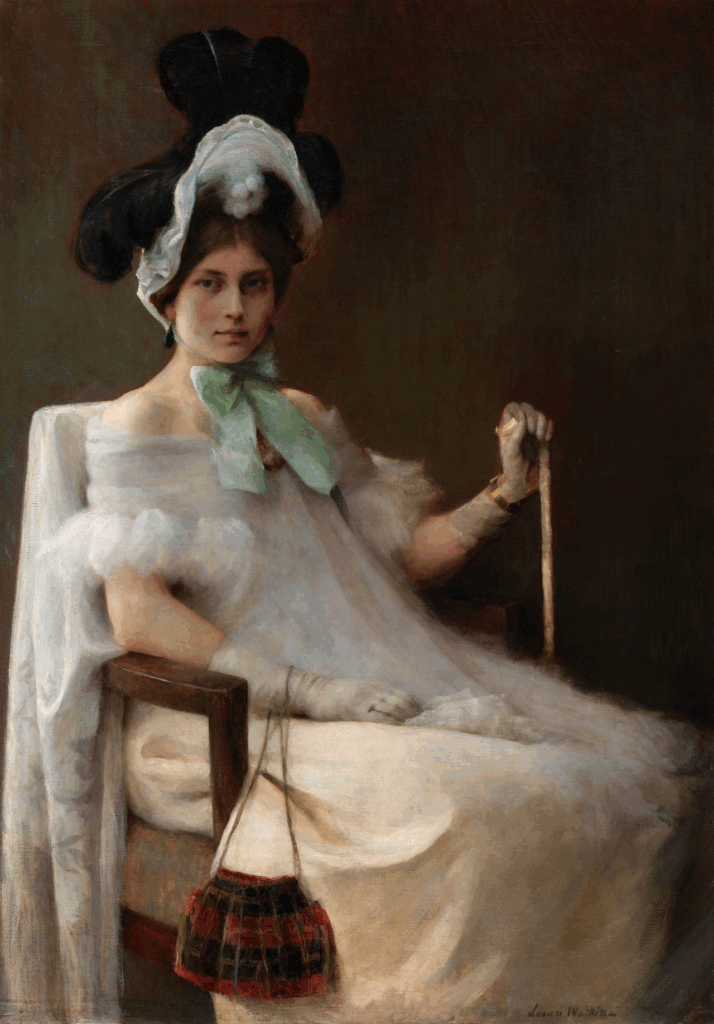
Among the notable works on display is The 1830 Girl (Portrait of Miss M. P. in Louis Philippe Costume), which earned Watkins a third-class gold medal at the 1901 Paris Salon, marking an extraordinary achievement for an American woman artist. The exhibition also features Woman Playing a Guitar (1901), where Watkins captures a woman engaged in her craft with a sense of professionalism and focus that set her apart from the more flirtatious depictions of women with musical instruments common at the time.
The Chrysler Museum also houses a 60-page scrapbook, which showcases Watkins’ business acumen and dedication to her art. This scrapbook, filled with newspaper clippings, demonstrates her savvy in managing her career and her desire to build a professional presence. Piper notes:
“Susan Watkins had an intense determination to succeed as a professional artist. That dedication and drive mirror the persistent effort required of artists even now.”
Preserving the Legacy: A Rich Gift to the Chrysler Museum
Many of Watkins’ paintings are part of the Chrysler Museum’s permanent collection, thanks to a generous bequest from her husband, Goldsborough Serpell, following his death in 1946. These works, along with other significant items, formed the foundation of the Museum’s early holdings in American art. This exhibition marks the first major reintroduction of Watkins to a national audience, providing fresh perspectives on her contributions through innovative scholarship and a richly illustrated catalogue.
Erik Neil, Director of the Chrysler Museum of Art, states:
“The Chrysler has served as a steadfast steward of Watkins’ legacy, presenting her work in exhibitions over the decades. Susan Watkins and Women Artists of the Progressive Era marks the first major effort to reintroduce Watkins to a broader national audience.”
Companion Publication and Traveling Exhibition
A companion publication, Susan Watkins and Women Artists of the Progressive Era, co-published by the Chrysler Museum and Yale University Press, will complement the exhibition. The richly illustrated catalogue includes essays by leading scholars and offers an in-depth look at Watkins’ work and the broader context of women artists in both France and the U.S.
Before arriving at the Chrysler Museum, the exhibition was displayed at the Dixon Gallery and Gardens in Memphis, Tennessee, where it garnered attention for its exploration of these overlooked artists’ careers and artistic legacies.
About the Chrysler Museum of Art
The Chrysler Museum of Art is internationally recognized for its extensive collection, including more than 35,000 objects, and one of the largest glass collections in America. The Museum’s mission is to bring art and people together through engaging experiences that inspire and educate. In addition to the exhibitions, the Museum boasts a state-of-the-art Perry Glass Studio, a full-service restaurant, and a wide range of events and programs aimed at fostering inclusion and accessibility in the arts.
For more information on the exhibition and to plan your visit, please visit chrysler.org. Stay updated on social media by following @ChryslerMuseum.
Conclusion
Susan Watkins and Women Artists of the Progressive Era offers an essential reexamination of the pivotal contributions made by women artists in shaping American art. This exhibition not only honors Watkins’ legacy but also highlights the careers of her contemporaries who, despite facing significant challenges, forged remarkable paths in the artistic world. The Chrysler Museum’s celebration of these women’s work provides a fresh perspective on an often-overlooked chapter of art history, offering an invaluable opportunity for new audiences to discover their talent and resilience.