The Heckscher Museum of Art in Huntington, New York is dedicating a long-overdue exhibition to Emma Stebbins, the groundbreaking 19th-century sculptor who created the iconic Bethesda Fountain in Central Park, New York. The exhibition, titled Carving Out History, opens on 28 September 2025 and will run until 15 March 2026. It brings to light Stebbins's …
‘New York Museum Celebrates Boundary-Pushing Artist Behind Central Park’s Bethesda Fountain’
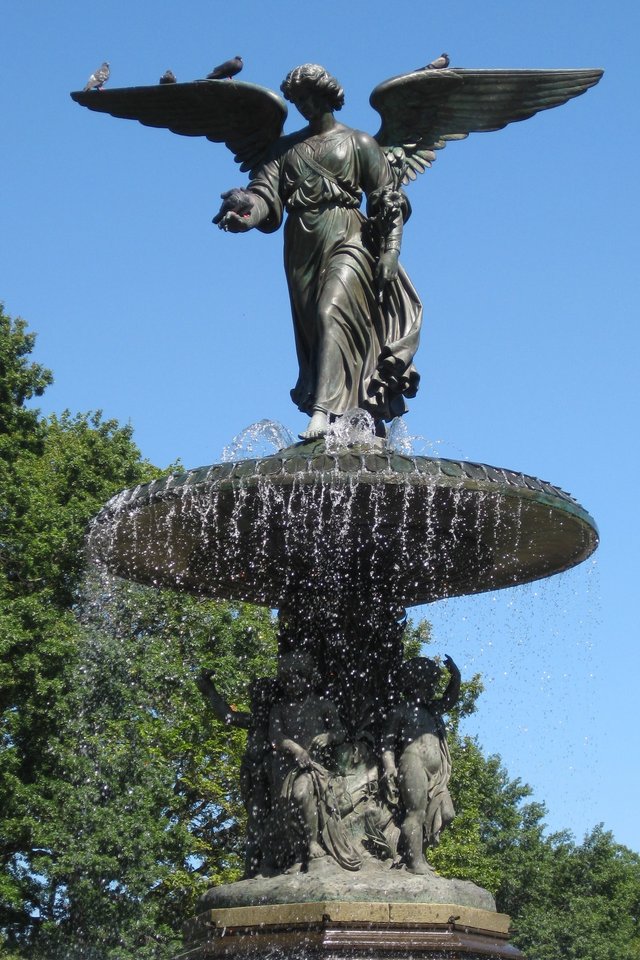
The Heckscher Museum of Art in Huntington, New York is dedicating a long-overdue exhibition to Emma Stebbins, the groundbreaking 19th-century sculptor who created the iconic Bethesda Fountain in Central Park, New York. The exhibition, titled Carving Out History, opens on 28 September 2025 and will run until 15 March 2026. It brings to light Stebbins’s remarkable contribution to Neo-Classical sculpture, her pioneering role as a female artist, and the enduring impact of her work.
A Watershed Moment for Stebbins’s Legacy
Emma Stebbins (1815-82) is perhaps most famous for designing the Bethesda Fountain in Central Park (1873), one of New York City’s most cherished landmarks. However, for much of her life and career, Stebbins remained overshadowed by her male contemporaries. The exhibition at the Heckscher Museum is the first dedicated to her work and marks a historic moment in recognizing her place in the 19th-century art world.
Curator Karli Wurzelbacher and her team spent more than five years researching and planning this exhibition. They worked closely with scholars, artists, and critics to gather 14 of Stebbins’s marble sculptures, many of which had been lost or unseen for over a century. These works explore themes such as gender, sexuality, public health, and ecology, issues that remain relevant to contemporary conversations.
Stebbins: The Trailblazer and Social Network
Stebbins, who worked in Rome as part of the expatriate artist community, was deeply connected to other women artists and intellectuals of the time. She built meaningful relationships with sculptors like Harriet Hosmer and Anne Whitney, whose support helped shape her career. In Rome, Stebbins and her partner, Charlotte Cushman, a renowned Shakespearean actress, hosted salons that became central to the development of their artistic careers.
Wurzelbacher emphasizes that Stebbins was not an outsider in this vibrant community. “She was at the heart of the expatriate [community], the ultimate insiders,” she explains. “The rules were so different, and they were working within them and stretching conventions, socially and within Neo-Classical art.”
Bethesda Fountain: A Symbol of Health and Community
The Bethesda Fountain is often seen as a tribute to the “blessed gift of pure and wholesome water,” inspired by a cholera outbreak in 1832 that led to the deaths of members of Stebbins’s own family. The angel in the fountain, with her horizontal wings, symbolizes healing, community, and hope. Tony Kushner, the playwright of Angels in America, has praised the unique symbolism of Stebbins’s design, particularly how the angel’s wings “gesture laterally towards expanded vision,” rather than looking heavenwards.
The Bethesda Fountain has become a site of refuge and resilience, particularly for LGBTQ+ communities, who have found in it a symbol of their own struggles and aspirations. The fountain was also a focal point in Kushner’s Angels in America, where it played a key role in the narrative of the play.
Celebrating Stebbins’s Unseen Works
The exhibition also includes works that had been thought to be lost, offering a fresh perspective on Stebbins’s diverse body of work. One highlight is The Lotus Eater (1863), the first male nude ever sculpted by an American woman. Stebbins’s innovative work was also groundbreaking for its inclusion of working-class subjects, a significant departure from the traditional focus on mythological figures and the elite in marble sculpture.
In addition to Stebbins’s work, the exhibition also includes contemporary pieces by Martha Edelheit, Patricia Cronin, and Ricky Flores, who engage with themes of identity, sexuality, and historical memory. Flores’s photograph of the Bethesda Fountain at the heart of the Puerto Rican Day Parade in 1983 is an evocative reminder of the fountain’s continued cultural significance.
Carving Out History: A Renewed Understanding
The Carving Out History exhibition offers an unprecedented opportunity to dive into Stebbins’s life, work, and legacy. Wurzelbacher sums up the significance of this moment, stating, “The meaning of her work has been renewed and expanded across this entire 150 years. It’s remarkable to see it come to life in this way.”
Exhibition Details:
- Exhibition Title: Carving Out History: Emma Stebbins
- Dates: 28 September 2025 – 15 March 2026
- Location: Heckscher Museum of Art, Huntington, New York
- Key Works: The Lotus Eater (1863), Bethesda Fountain (1873), Charlotte Cushman (1870)
This exhibition is not only a celebration of Stebbins’s artistry but also a critical step toward recognizing her lasting impact on American sculpture, especially within the context of women in the arts during the 19th century.