The Knoedler Gallery scandal remains one of the most infamous art fraud cases in history, a saga that continues to fascinate collectors, scholars, and the public. Writer and filmmaker Barry Avrich, who directed the acclaimed 2020 documentary Made You Look, has now released a follow-up book, The Devil Wears Rothko: Inside the Art Scandal that …
Knoedler Gallery Faking Scandal: A Gift That Keeps on Giving
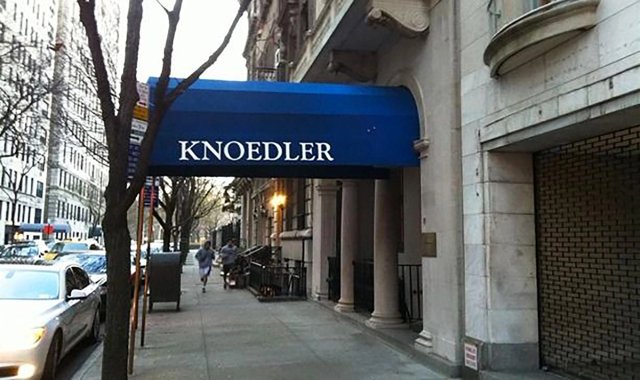
The Knoedler Gallery scandal remains one of the most infamous art fraud cases in history, a saga that continues to fascinate collectors, scholars, and the public. Writer and filmmaker Barry Avrich, who directed the acclaimed 2020 documentary Made You Look, has now released a follow-up book, The Devil Wears Rothko: Inside the Art Scandal that Rocked the World. His work revisits the $80 million forgery scheme that not only bankrupted one of New York’s oldest galleries but also shook confidence in the global art market.
From Documentary to Book: Barry Avrich’s Return to Knoedler
Made You Look: The 2020 Documentary
Avrich’s documentary brought the scandal to a wide audience, chronicling how Knoedler Gallery sold over 40 forged artworks between 1994 and 2009. It revealed how top collectors, museums, and even leading experts were deceived.
Why Write a Book After the Film?
In his preface, Avrich notes that new characters and facts keep emerging, calling the scandal a “story that keeps on giving”. With interviews, court documents, and personal anecdotes, the book seeks to deepen the record—though not without controversy.
The Knoedler Scandal in Context
The Gallery’s Prestigious Legacy
Founded in 1846, Knoedler & Co. was one of America’s most respected galleries, representing masters from the Old World to the post-war avant-garde. By the late 20th century, however, financial troubles threatened its survival.
How the Fraud Was Orchestrated
Enter Glafira Rosales, a little-known dealer who supplied the gallery with 40 fake works attributed to artists such as Mark Rothko, Jackson Pollock, and Robert Motherwell. These counterfeits, painted by a Chinese artist in Queens, propped up Knoedler’s finances and enriched its owner, Michael Hammer, who allegedly spent gallery funds lavishly.
Key Figures in the $80M Art Fraud
Glafira Rosales: The “Dealer” of Forgeries
Rosales was the middlewoman who introduced the fake works to Knoedler. Though she claimed to be manipulated by her ex-boyfriend, she was the only person to serve jail time.
Ann Freedman: Director in the Spotlight
The gallery’s director, Ann Freedman, insisted she too was deceived. Yet Avrich portrays her ambiguously, suggesting complicity or, at best, willful blindness. She was never criminally charged but faced civil lawsuits.
Michael Hammer: Owner and Beneficiary
Court papers alleged that gallery owner Michael Hammer benefited significantly, using Knoedler profits for personal luxuries, including cars and Parisian getaways.
Victims and Lawsuits
High-Profile Collectors and Experts Fooled
Notable victims included major collectors, dealers, and even one museum, all of whom acquired fakes sold as masterpieces.
The Domenico De Sole Case
One of the most famous lawsuits involved Domenico and Eleanor De Sole, who bought a fake Rothko. Although Freedman initially welcomed her “day in court,” the case was settled before jury testimony, leaving many questions unanswered.
What the Book Adds to the Story
Anecdotes from Ann Freedman’s Testimony
Avrich recounts his months of conversations with Freedman, who drank fine wine and handed him 55 tote bags of clippings about art cons. She portrayed herself as a victim—but Avrich leaves her culpability open-ended.
Avrich’s Interviews and Research
The book pulls from his documentary interviews, legal records, and insider commentary, painting a picture of fraud, denial, and hubris.
Lists, Fakers, and Filler Content
However, critics note the book’s sloppy style, reliance on bullet-point lists, and meandering references—some of which feel disconnected from the central narrative.
Critical Reception of the Book
Praise for Detail, Criticism for Style
Reviewers highlight the book’s wealth of detail but criticize its careless writing and filler content. Still, for those interested in the scandal, it offers insights not captured in the documentary.
Is It the Definitive Knoedler Account?
Domenico De Sole calls it “the definitive book about the Knoedler story,” though some argue it adds little new beyond what was revealed in court filings and Avrich’s earlier film.
Lessons from the Knoedler Scandal
Due Diligence and Provenance in the Art Market
The scandal underscores the importance of provenance research and the risks of buying based on reputation alone. Even seasoned experts were fooled.
Why Major Experts Were Misled
Forgery techniques were sophisticated, but so was the psychology of deception—collectors wanted to believe they had uncovered lost masterpieces, making them less skeptical.
Frequently Asked Questions (FAQs)
1. What was the Knoedler Gallery scandal?
A 14-year fraud in which the gallery sold 40 forged works attributed to Pollock, Rothko, Motherwell, and others, totaling around $80 million.
2. Who was responsible for the fakes?
The works were supplied by Glafira Rosales and painted by a Chinese artist, though multiple figures, including gallery leadership, profited.
3. Was Ann Freedman charged with a crime?
No, she was never criminally charged, though she faced civil suits. She maintains she was deceived.
4. What happened to Knoedler Gallery?
The gallery closed in 2011, ending its 165-year legacy amid lawsuits and scandal.
5. What does Barry Avrich’s new book add?
It offers expanded interviews, anecdotes, and commentary, though critics say it lacks groundbreaking revelations.
6. Why is the scandal still relevant?
It highlights systemic weaknesses in the art market—overreliance on trust, poor provenance checks, and the ease of exploiting collector desire.
Conclusion: A Scandal That Still Resonates
The Knoedler Gallery faking scandal remains a cautionary tale of how even the most prestigious institutions can fall prey to deception. Barry Avrich’s new book, despite stylistic shortcomings, ensures the story remains alive—reminding collectors and professionals alike that in the art world, due diligence is everything.