On a warm July afternoon in Aspen, I found myself in the living room of a private home where sunlight streamed through floor-to-ceiling windows. On one wall, a Julie Mehretu painting dominated the fireplace; down the hall, a Grace Hartigan canvas burst with color. It wasn’t part of the Aspen Art Museum’s official Art Week …

On a warm July afternoon in Aspen, I found myself in the living room of a private home where sunlight streamed through floor-to-ceiling windows. On one wall, a Julie Mehretu painting dominated the fireplace; down the hall, a Grace Hartigan canvas burst with color. It wasn’t part of the Aspen Art Museum’s official Art Week circuit—collector home tours were once a staple but have now disappeared.
For years, the museum’s annual fundraiser week radiated wealth, with glamorous home tours, exclusive wine parties, and the high-profile ArtCrush gala. But since Nicola Lees took over as director in 2020, the focus has shifted toward something more cerebral.
From Heidi Zuckerman’s Legacy to Nicola Lees’s Vision
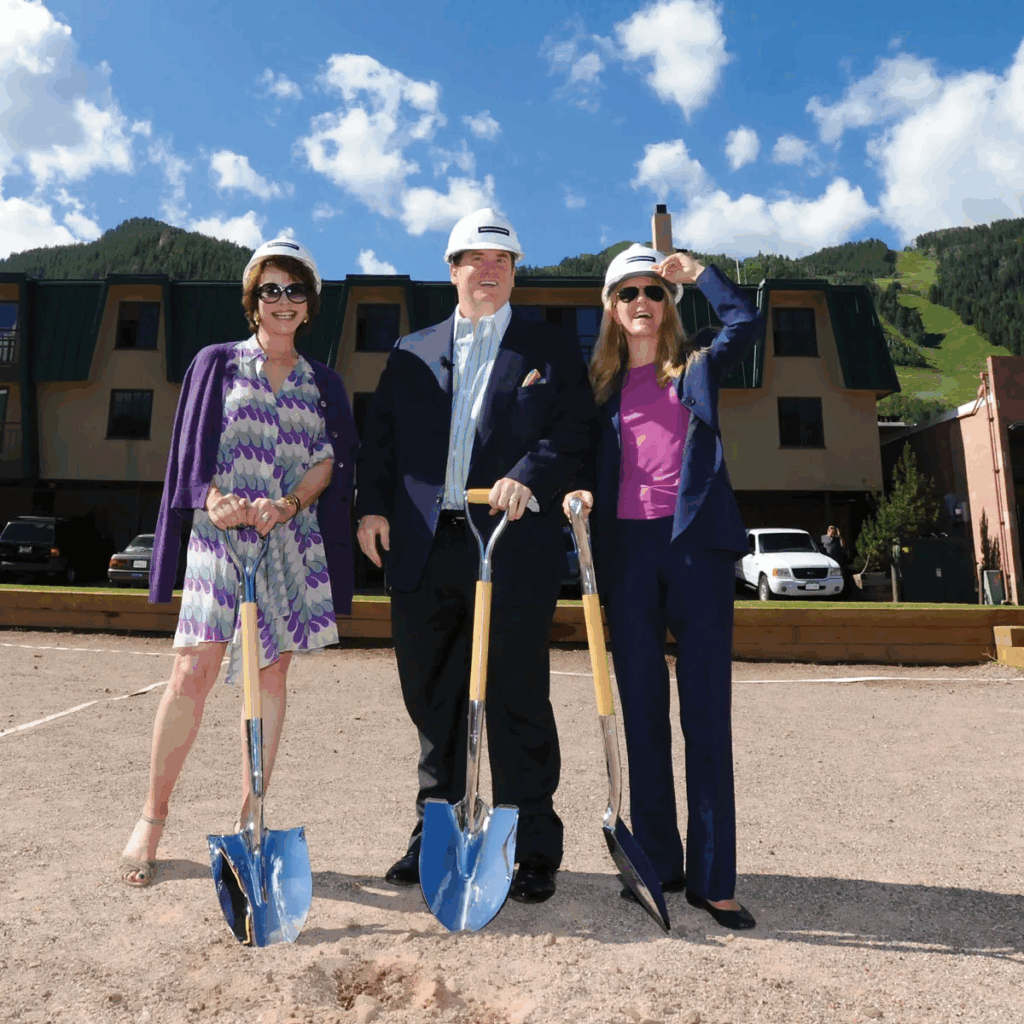
The Aspen Art Museum wasn’t always this polished. When Heidi Zuckerman became director in 2005, she inherited a small regional space in a town known more for après-ski than contemporary art. By 2014, she had secured a $45 million Shigeru Ban–designed building, funded by influential collectors whose art doubled as investments.
Zuckerman faced battles along the way. A proposed city-owned site for the museum was voted down amid criticism of elitism, forcing a move to private land. Her salary—around $850,000 in 2013—sparked outrage, even though she raised $70 million for the institution.
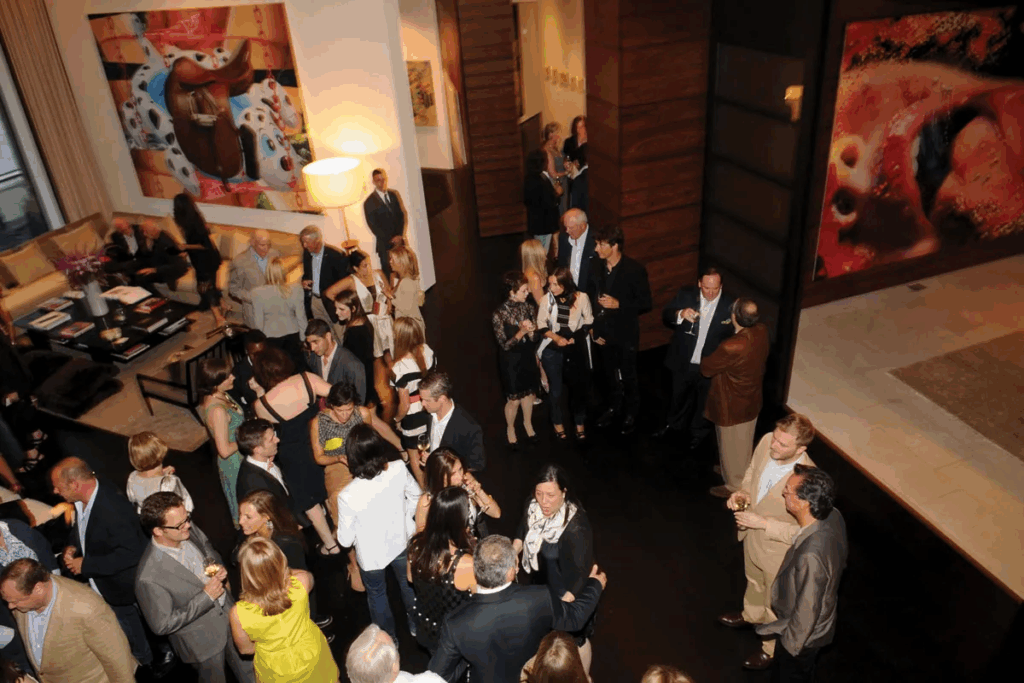
Despite controversy, Zuckerman built visibility. The annual ArtCrush gala and its private counterpart WineCrush became legendary. Guests ranged from top collectors to celebrities, and sponsors like Sotheby’s and J.P. Morgan backed the spectacle.
By 2019, ArtCrush was raising millions annually. But Nicola Lees, who took over in 2020, inherited not just a building but an identity forged by glamour and spectacle. Her challenge has been to redefine the museum’s image for a new generation.
The AIR Festival: Ideas Over Spectacle
Lees’s AIR festival embodies her mission. Modeled on the Aspen Ideas Festival, it prioritizes talks, workshops, and artist-led collaborations. The goal: transform the museum into a center of cultural thought leadership rather than a social stage.
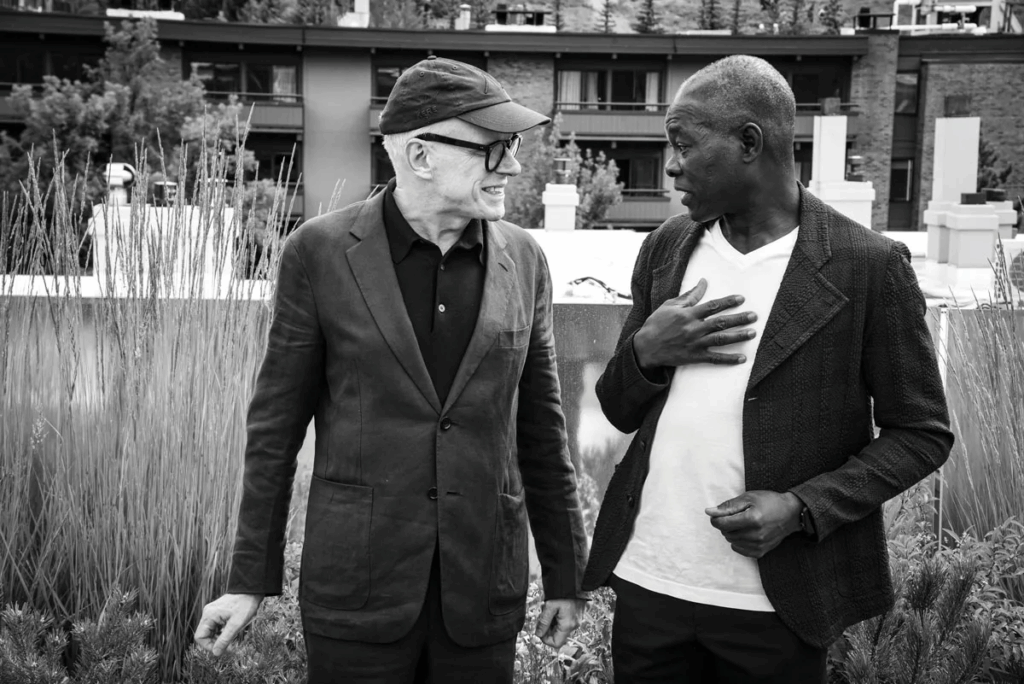
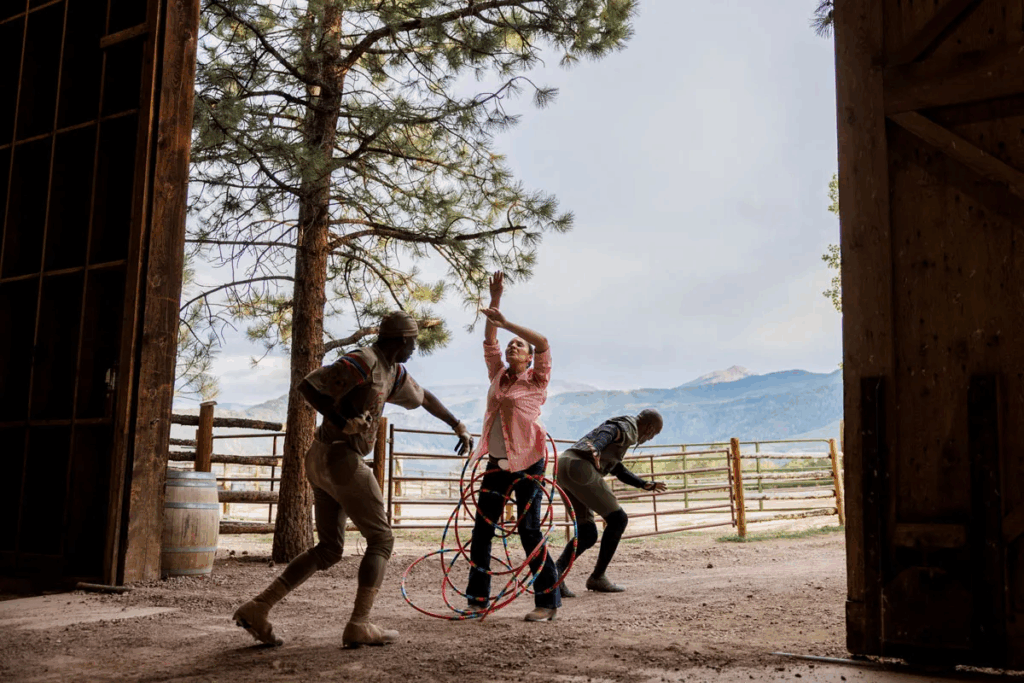
The inaugural festival featured conversations between artist Adrián Villar Rojas and novelist Álvaro Enrigue, and a keynote by Francis Kéré. Artist Matthew Barney presented TACTICAL parallax, a performance that included horses, sled dogs, and the dramatic firing of blank rounds.
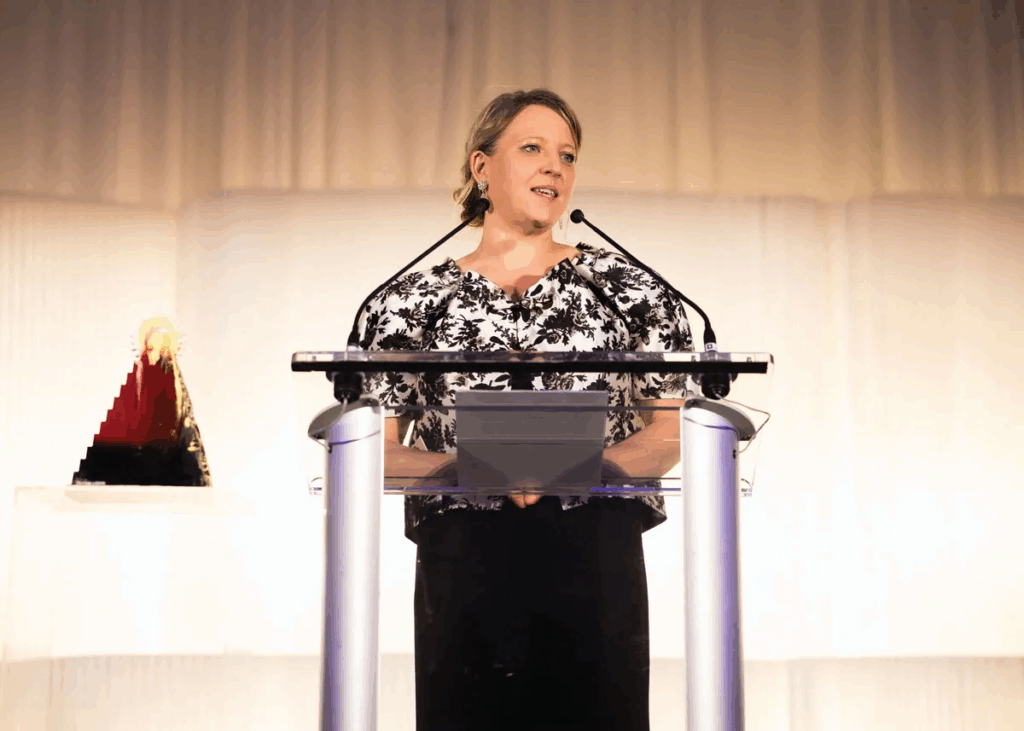
Lees’s style is collaborative and diplomatic. Unlike Zuckerman, who was known for sharp elbows, she delegates curatorial roles and builds consensus. “Heidi did exactly what she needed to do to build the museum,” one gallery director noted. “Nicola is doing exactly what she needs to do to redefine it.”
A New Generation of Donors
The shift in programming has been matched by a shift in supporters. Some longtime donors have stepped back, while a younger, quieter group has taken the lead.
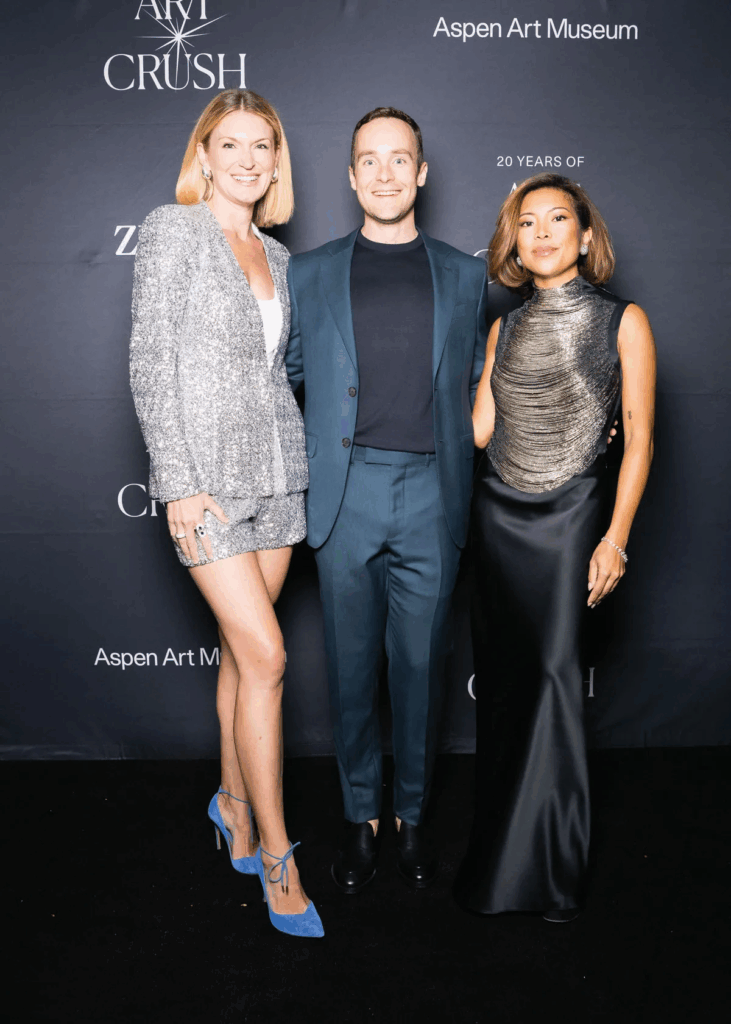
This year’s ArtCrush cochairs—Sarah Arison (MoMA board president), Jen Rubio (Away cofounder and Whitney trustee), and Charlie Pohlad (of the Pohlad family)—reflect this evolution. Patrons like Holly and Albert Baril praise Lees for creating “a strong community that doesn’t feel performative.”
Balancing Aspen’s Reality with Community Access
Aspen’s soaring housing prices make it one of the least accessible art destinations in the U.S. Yet since 2008, the Aspen Art Museum has remained free to the public, thanks to a gift from Amy and John Phelan. Lees has also emphasized outreach, welcoming 3,000 children annually through the Youth Art Expo and working with every school in the valley.
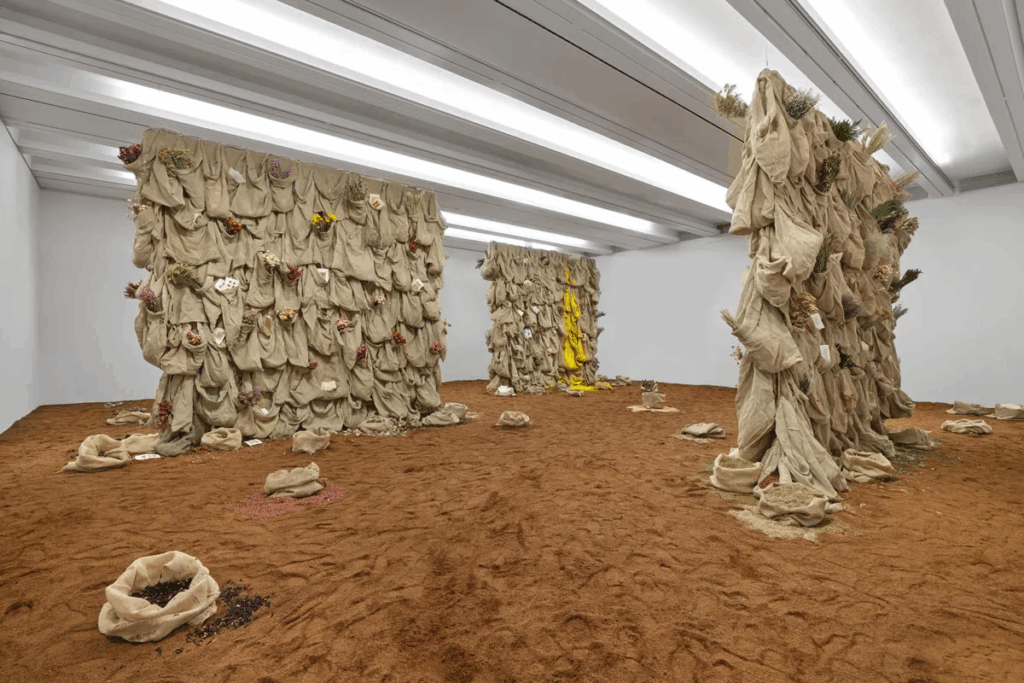
Still, the museum faces the same paradox as its town: it aspires to inclusivity while existing in one of the most exclusive places in America.
Conclusion: Aspen’s Cultural Future
The Aspen Art Museum reflects its setting—wealthy, ambitious, and complex. Under Nicola Lees, it’s evolving from a collector’s playground into a cultural hub rooted in ideas, experimentation, and community.
Whether it succeeds will depend as much on Aspen’s realities as the museum’s ambitions. But one thing is certain: Nicola Lees has given the Aspen Art Museum a new identity, one that resonates far beyond the rarefied air of the Rockies.