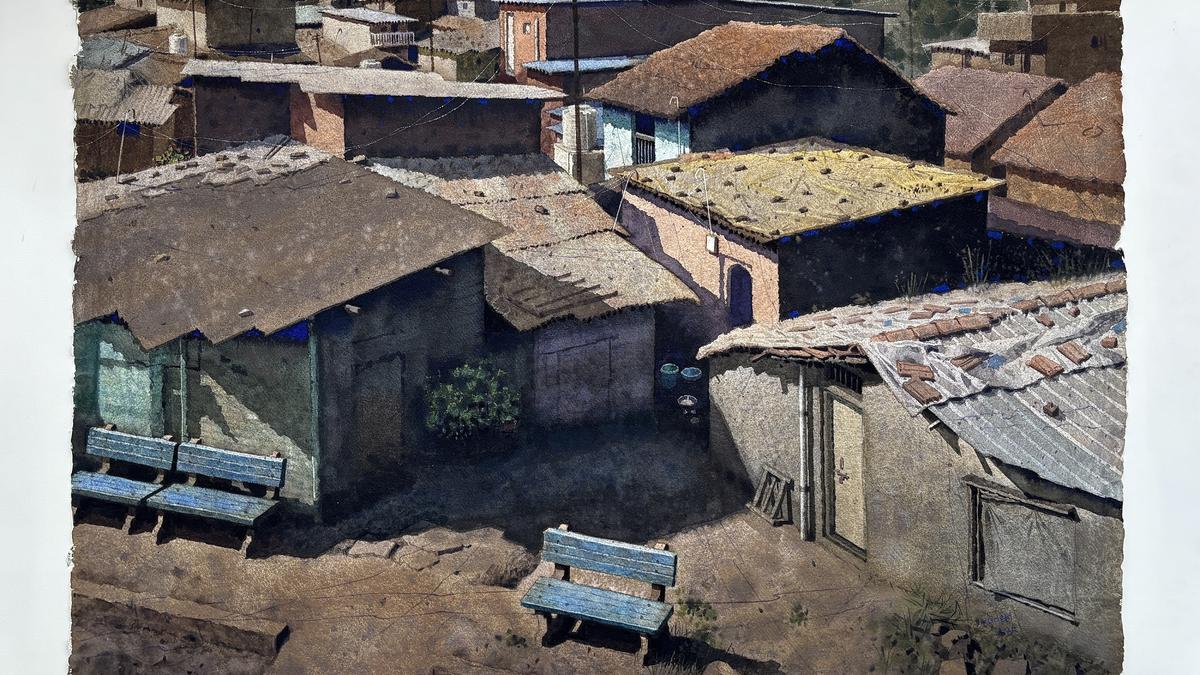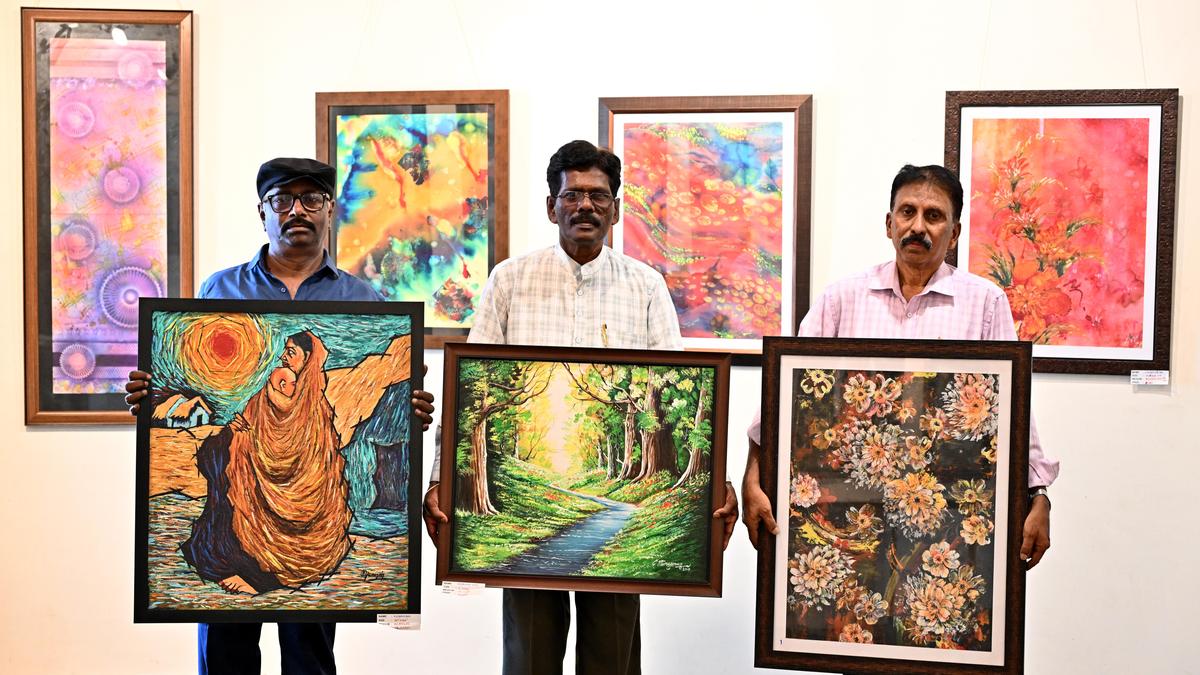
At Lalit Kala Akademi, artist Ramalingam Muthukrishnan reimagines the female form—not as an object of passive beauty, but as a site of strength, distortion, and reinterpretation. His latest exhibition moves away from traditional portrayals that often idealise or romanticise women. Instead, the artworks present figures that are fragmented, abstracted, and emotionally charged, challenging viewers to …
Ramalingam Muthukrishnan Challenges Traditional Views of the Female Body
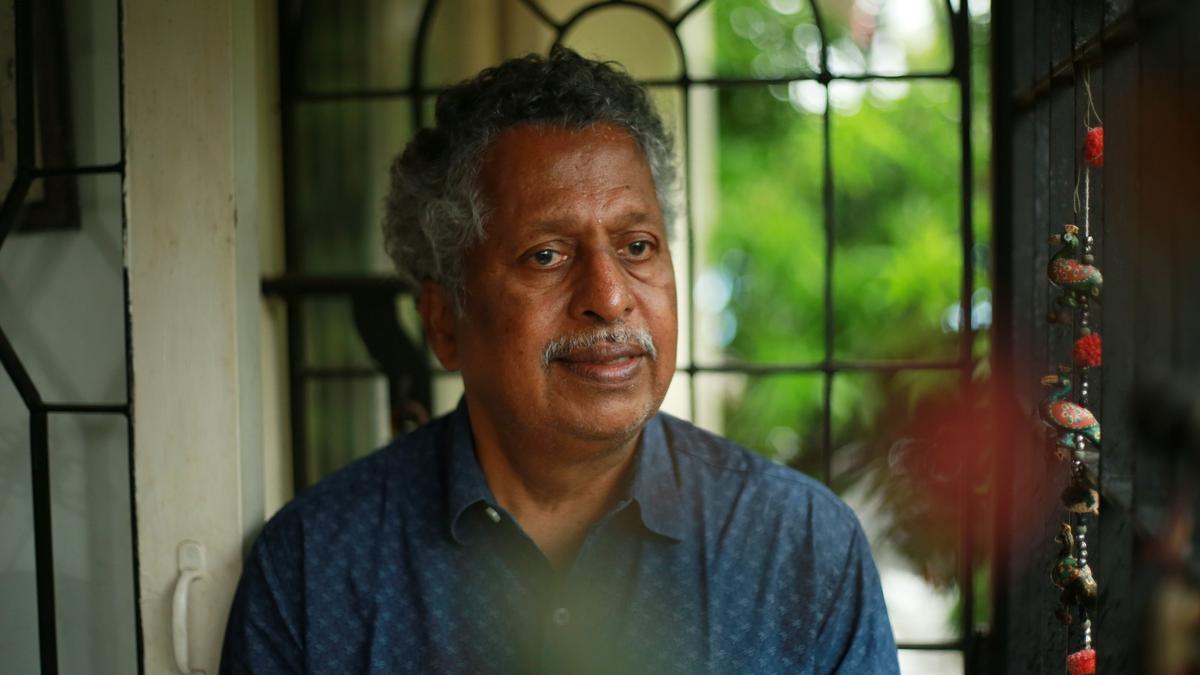
At Lalit Kala Akademi, artist Ramalingam Muthukrishnan reimagines the female form—not as an object of passive beauty, but as a site of strength, distortion, and reinterpretation.
His latest exhibition moves away from traditional portrayals that often idealise or romanticise women. Instead, the artworks present figures that are fragmented, abstracted, and emotionally charged, challenging viewers to confront their own assumptions about femininity and representation.
Rather than focusing on realism, Muthukrishnan’s work uses bold forms, layered textures, and unconventional compositions to reshape the female body into something fluid and expressive. The figures appear both familiar and unfamiliar—suggesting that identity itself is not fixed but constantly evolving.
What stands out is the deliberate rejection of the “perfect” body. The artist’s women are not confined to symmetry or softness; they carry weight, distortion, and presence. This approach shifts the gaze from aesthetic pleasure to deeper reflection—asking whether the female form can exist beyond societal expectations.
Exhibited within one of India’s most prominent art institutions, the show also reflects a broader movement in contemporary Indian art: revisiting classical subjects through modern, often disruptive, perspectives.
Ultimately, the exhibition is less about depicting women and more about redefining how they are seen. By breaking away from conventional imagery, Muthukrishnan invites viewers to engage with the female form as a powerful, evolving narrative rather than a static ideal.