In a thoughtful exploration of how colour shapes human inner life, recent commentary reframes the hue violet not merely as a pigment but as a psychological and spiritual symbol deeply intertwined with artistic expression and cultural imagination. Rather than focusing on traditional definitions of colour primarily in physics or optics, the piece argues that violet …
The Emotional Language of Violet in Contemporary Art
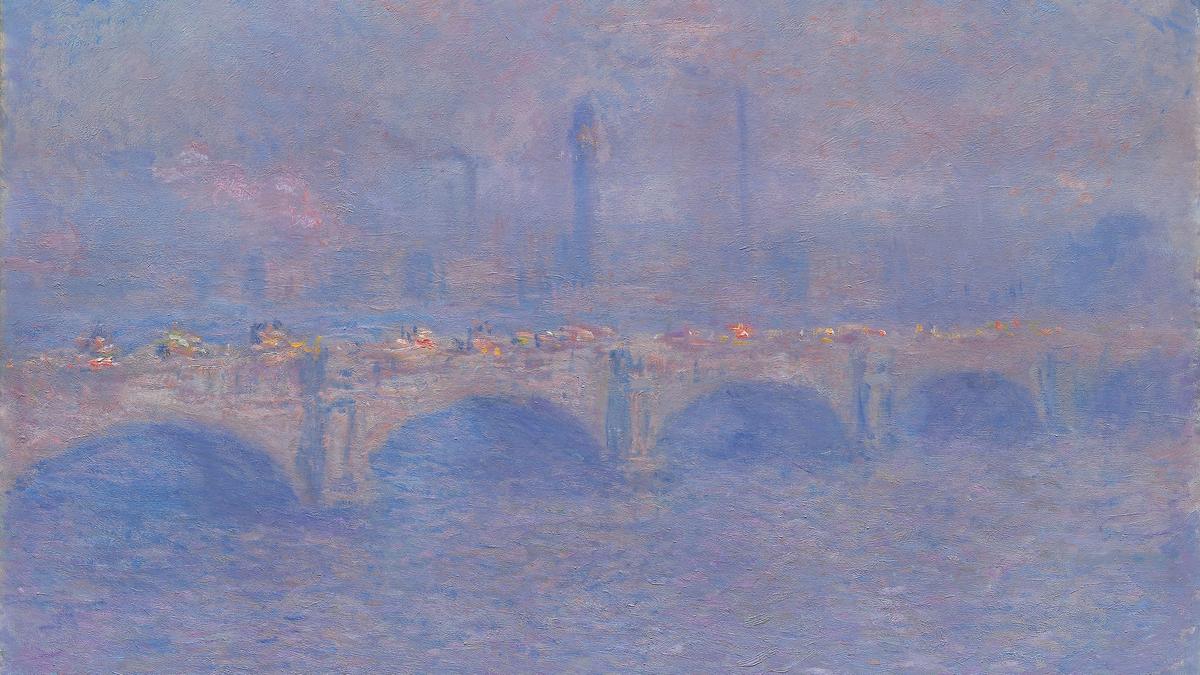
In a thoughtful exploration of how colour shapes human inner life, recent commentary reframes the hue violet not merely as a pigment but as a psychological and spiritual symbol deeply intertwined with artistic expression and cultural imagination.
Rather than focusing on traditional definitions of colour primarily in physics or optics, the piece argues that violet — positioned at the edge of the visible spectrum — carries a unique emotional charge that inspires artists to engage with ideas beyond literal representation. In colour theory, violet is understood as a spectral colour bridging the realm between blue and ultraviolet, created when more blue light dominates in the mixture of blue and red light.
Artists have historically treated violet as more than a shade: its rarity and dramatic intensity made it symbolically linked with mystery, introspection and transcendence. Different cultures have also imbued violet with complex meanings — from the crown chakra in spiritual traditions to associations with nobility and luxury in history — that reverberate in contemporary art.
The article highlights how modern artists and thinkers often deploy violet hues not just aesthetically but conceptually, using them to evoke inner depth, liminality and psychological threshold states, where emotion, spirituality or self-reflection come to the fore. This perspective suggests that colours like violet function as visual metaphors for inner experience, making them powerful tools for creative expression.
Rather than merely describing violet’s scientific properties, the piece invites readers to consider the colour’s broader symbolic and emotional resonance, particularly in art that seeks to probe human consciousness and intangible states of being. It thus situates colour as an active participant in culture — shaping how we imagine, feel, and narrate our inner worlds.