In Kochi, the visual language of public art is undergoing a quiet revolution as artists and collectives expand their creative presence far beyond galleries and exhibition halls. While the Kochi-Muziris Biennale continues to draw international attention, a parallel movement of street murals is turning city walls into dynamic public canvases, reshaping the aesthetic and cultural …
Public Art Emerges in Kochi as Murals Transform Everyday Streets
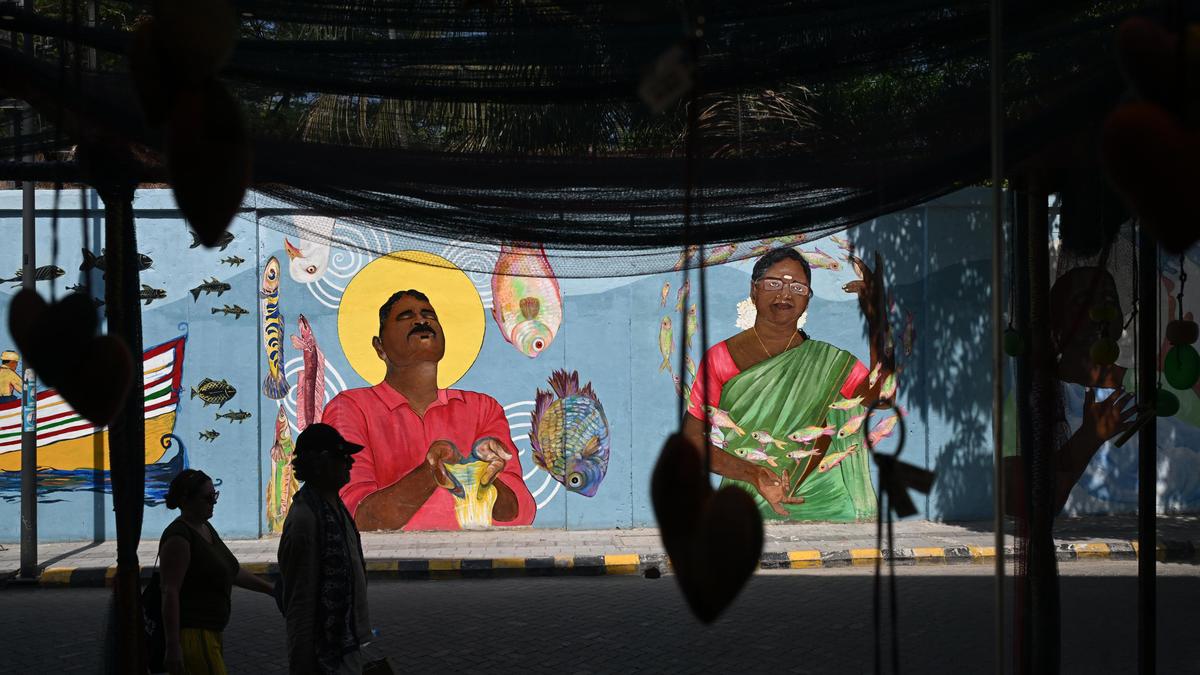
In Kochi, the visual language of public art is undergoing a quiet revolution as artists and collectives expand their creative presence far beyond galleries and exhibition halls. While the Kochi-Muziris Biennale continues to draw international attention, a parallel movement of street murals is turning city walls into dynamic public canvases, reshaping the aesthetic and cultural experience of neighbourhoods like Fort Kochi and Mattancherry.
What once was a series of festival venues has now become a sprawling open-air gallery, where large-scale painted works invite locals, visitors and wayfarers to engage with art in their daily paths. These murals are not just colourful backdrops; they reflect lived histories, identities and contemporary social themes. Many feature narratives from marginalised communities, anti-caste thought, intimacy and love, inviting reflection and dialogue in spaces that were previously neutral or overlooked.
One notable initiative is the Island Mural Project, organised by the Kochi Biennale Foundation, which brings together artists from diverse backgrounds to collaborate on site-specific works on walls across public streets. This project transforms everyday infrastructure into sites of cultural memory and shared expression — a shift that rewrites the way people perceive their own urban environment.
Unlike traditional museum exhibitions where visitors deliberately enter specific venues, these murals meet people in their everyday journeys, turning streets into active spaces of imagination and conversation. The result is a more inclusive canvas of public culture — one that dissolves boundaries between art and everyday life, and invites broader audiences to rethink the role of creative expression in the city.